How to Document Storm Tree Damage for Insurance Claims in Michigan
Use this Michigan storm-damage checklist to photograph, document, and organize tree-related insurance claims without making cleanup mistakes.
The Short Answer After a Michigan Storm
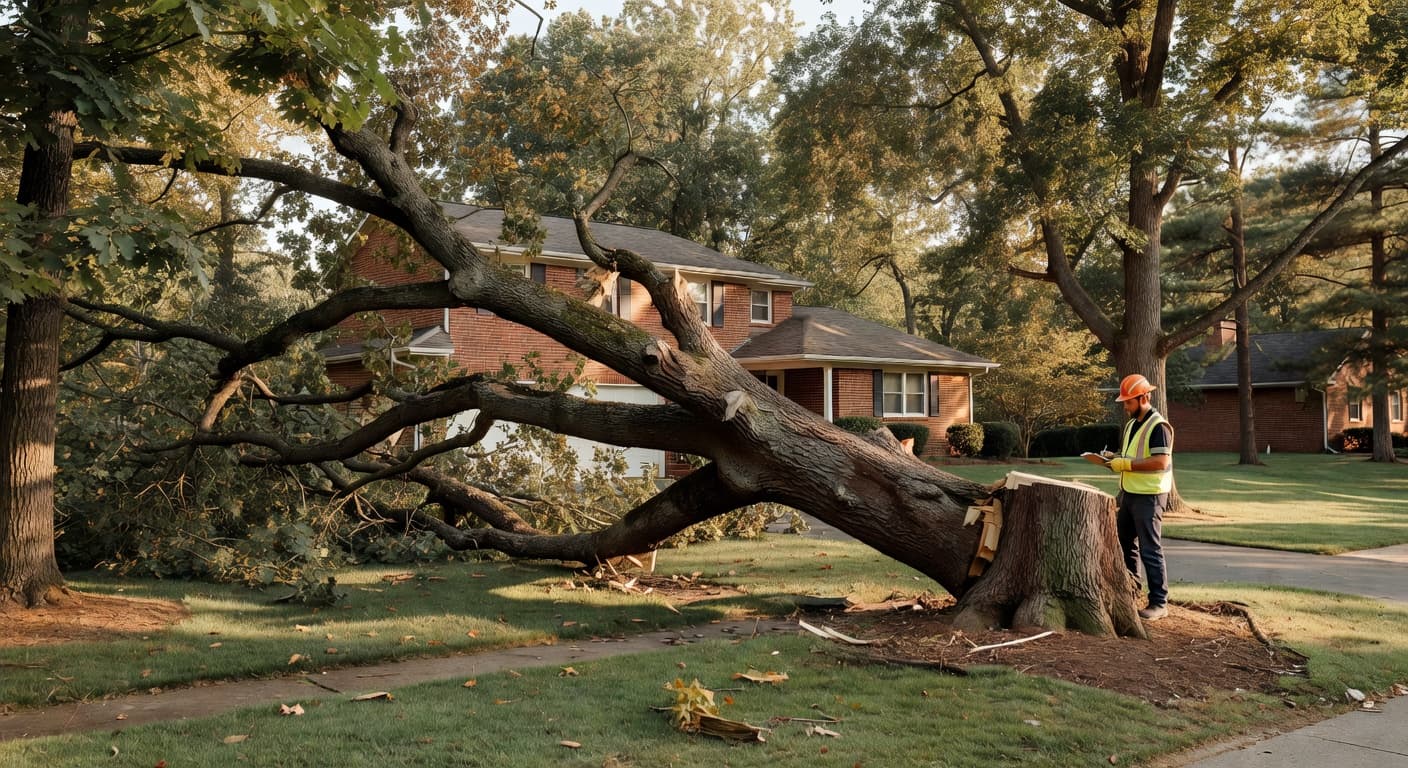
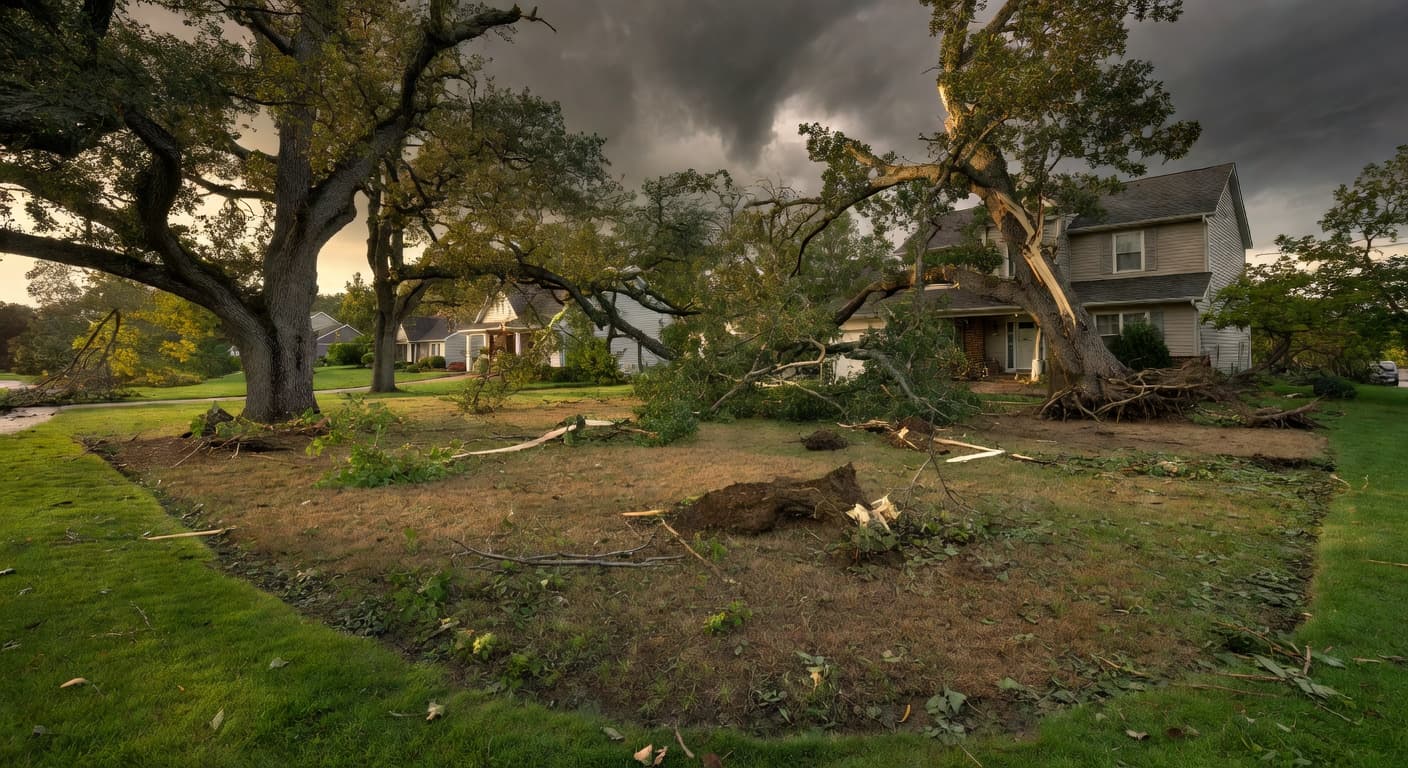
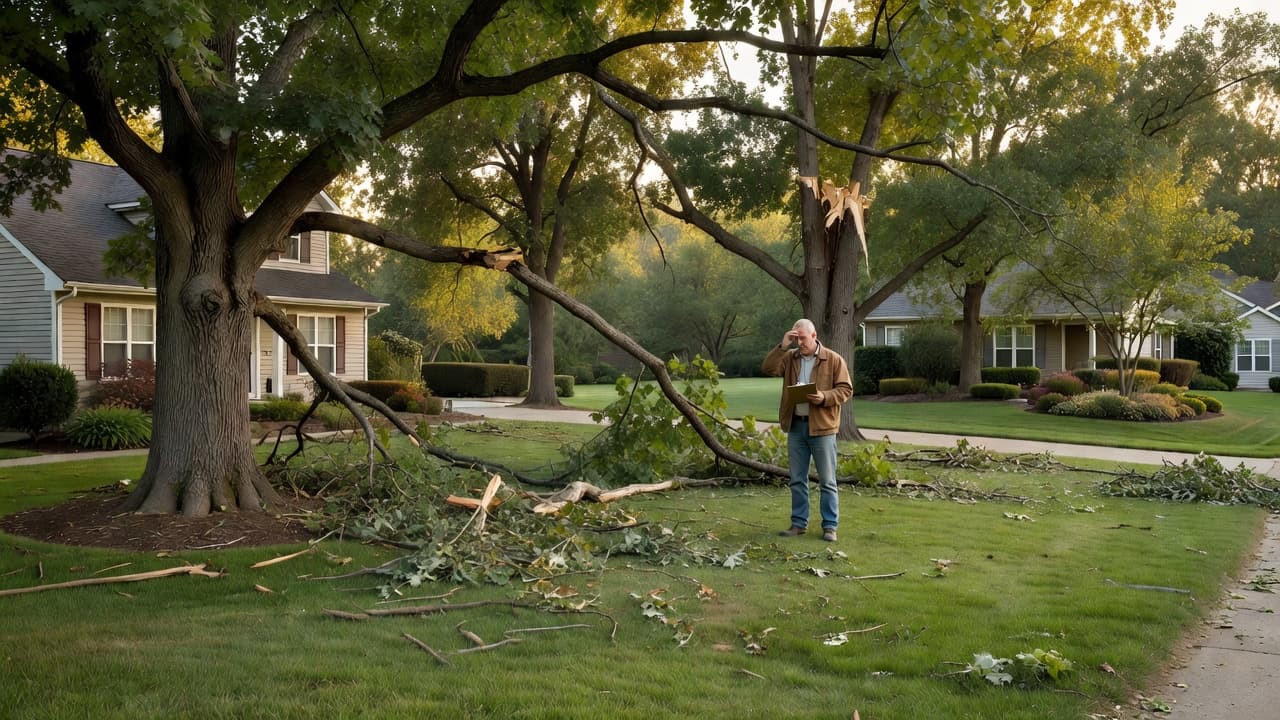
If a tree or major limb damages your property after a storm, document before you clean up anything that is not creating an immediate safety emergency. Start with wide photos, close-ups of the damage, shots that show where the tree started and where it landed, and a basic timeline of what happened. Save every invoice, note what you did to prevent further damage, and avoid making the scene look "better" before the adjuster or claim representative understands what actually happened.
This guide is for Michigan homeowners who are trying to do two things at once: keep the property safe and avoid weakening a legitimate insurance claim. By the end, you should know what to photograph first, what to write down, what emergency work is reasonable, and how to keep cleanup from turning into a documentation mess.
Need Emergency Cleanup With Clear Documentation?
Call or text today. We'll assess your trees, explain your options, and give you a fair price. No pressure. No obligation.
Serving Onondaga, Lansing, and all of Mid-Michigan - same-day responses
First Priority: Safety Before Paperwork
Documentation matters, but safety comes first. If a tree is on the house, blocking access, threatening to fall farther, or tangled near a power line, step back and handle the immediate hazard before worrying about perfect photos.
That means:
- keep people and pets away
- do not touch limbs on or near service lines
- do not climb onto a damaged roof
- do not cut hanging branches under tension
If you need emergency mitigation to prevent more damage, that is usually reasonable. The goal is to preserve evidence while also protecting the property from getting worse.
For urgent cleanup triage, our article on what to do after high winds in Eaton County covers the decision-making mindset even if your property is elsewhere in Mid-Michigan.
The Photos to Take First
Homeowners often take too few photos of the right things and too many random close-ups later. Start in this order:
1. Wide shots of the whole scene
Stand back and capture the tree, the structure, the yard, and the path of damage. Insurance needs context, not just broken shingles.
2. Mid-range shots of impact points
Photograph where the tree hit the roof, fence, shed, driveway, or vehicle. Show the relationship between the tree and the damaged property.
3. Close-ups of specific damage
Get clear photos of crushed gutters, punctured roofing, broken windows, split fencing, siding damage, or interior water intrusion.
4. Photos of the tree itself
Show the trunk base if visible, the broken section, and any condition clues such as rot, dead limbs, or storm split points.
5. Additional hazard photos
Capture hanging limbs, leaning sections, blocked driveways, and any reason emergency work was needed quickly.
If possible, take both horizontal and vertical versions. It helps later when you are sending files through a claim portal, email, or contractor estimate thread.
What to Write Down the Same Day
Photos matter, but a short written record helps more than most people realize. Note:
- date and rough time of the storm
- when you discovered the damage
- whether neighbors, tenants, or family saw it happen
- any active weather conditions still affecting the property
- what immediate steps you took to reduce further damage
- who you called and when
Do not turn this into a novel. A clean timeline is better than a long emotional description.
Example:
- Severe thunderstorm moved through Lansing around 6:15 PM.
- Damage discovered at 6:40 PM.
- Large limb from rear maple struck gutter and roof slope over kitchen.
- Water entered attic area during continued rain.
- Tarp request placed at 7:05 PM. Cleanup contractor called at 7:20 PM.
That kind of note is useful to both your insurer and any cleanup crew writing a scope.
What Emergency Work Is Reasonable
Insurance claims usually recognize the need for temporary mitigation. That can include:
- tarping an exposed roof area
- moving smaller debris to open access points
- removing a limb that is actively causing additional damage
- pumping standing water or protecting interior contents
What you want to avoid is turning emergency mitigation into a full cleanup before the damage is documented. If a contractor is taking immediate action, ask them to photograph the job before and during the work and to separate emergency mitigation from full restoration in the invoice if possible.
If the storm also exposed a second tree hazard that did not fail yet, use the Michigan homeowner's tree safety checklist to document that follow-up risk separately. Many claims get cleaner when the first impact and the remaining hazard are described as two related but distinct issues.
For the cleanup side of the claim, Stump Busters' property cleanup service is the service page that best matches storm debris, hazard removal, and site reset work.
Save More Than Just the Photos
Keep:
- invoices
- text messages or emails with contractors
- temporary lodging receipts if applicable
- receipts for tarps, plywood, fans, or other emergency supplies
- screenshots of weather alerts if relevant
- any claim number or adjuster contact details
Create one folder on your phone or computer and keep everything together. Claims become harder when the paperwork lives in five text threads and three email accounts.
What Not to Do
Here are the mistakes that create avoidable friction:
Do not throw everything away before documenting it
If safe, keep key pieces of broken material or at least photograph them thoroughly first.
Do not assume the insurer understands the tree work
Tree-related damage has two layers: the property damage and the cleanup/removal scope. Be clear about both.
Do not authorize vague work without a paper trail
You do not need a formal legal packet for every emergency call, but you do want written scope, contact info, and a record of what was done.
Do not exaggerate
Stick to observable facts. Unsupported claims create credibility problems you do not need.
Our broader article on homeowner's insurance and tree removal in Michigan explains how coverage questions usually get framed once the documentation is in hand.
Questions the Adjuster or Claim Team May Ask
Be ready for practical questions such as:
- What caused the damage?
- What part of the property was affected?
- Is the hazard still active?
- Did you take steps to prevent more damage?
- Has any cleanup already happened?
- Do you have contractor estimates or invoices?
If you have already organized your photos and notes, these are much easier to answer calmly.
How Tree Damage Claims Get Complicated
Tree claims get messier when the damage is not one clean event. Common complication areas include:
- pre-existing tree decline versus sudden storm failure
- damage to fences, sheds, or detached structures
- neighbor boundary questions
- multiple contractors touching the same problem
- interior water damage discovered after the first visit
This is why your documentation should show both the storm impact and the condition of the site around it. You are not trying to argue the whole claim yourself. You are making the facts harder to dispute.
Local Mid-Michigan Details That Matter
Storm claims in this region often involve:
- saturated ground followed by wind
- large maples and aging ash trees dropping heavy limbs
- detached garages and older gutters
- long rural or semi-rural driveways where access matters
In practical terms, Mid-Michigan properties often need both cleanup and hazard management. A branch on the roof is one problem. A second compromised limb over the driveway is another. Document both. Many homeowners focus only on the obvious impact point and forget the related hazard that the cleanup crew still has to address.
A Simple Post-Storm Documentation Checklist
Use this sequence:
- Make sure people are clear of the hazard.
- Photograph the full scene before moving debris.
- Photograph close-up damage and the tree source.
- Write a short timeline while it is fresh.
- Contact your insurer and note the claim details.
- Get emergency mitigation if the damage is still active.
- Save every receipt and invoice.
- Keep before, during, and after photos from contractors.
The Bottom Line
The best insurance documentation after storm tree damage is simple, timely, and organized. Take wide photos first, record what happened while it is still fresh, and keep cleanup tied to a written trail. Do what is necessary to make the property safe, but avoid erasing the evidence before the claim is clear.
For Mid-Michigan homeowners, that approach lowers stress because it keeps the next steps obvious: protect the property, preserve the facts, and make sure the cleanup scope is documented as clearly as the damage itself. If you need help with storm debris, hazardous limbs, or photo-friendly cleanup documentation, Stump Busters can help you handle the site without making the claim harder to explain.
Need Property & Storm Cleanup?
Learn more about our professional property & storm cleanup service in Onondaga, Lansing, and Mid-Michigan - or call for a free estimate.