Yard Cleanup After Tree Removal in Mid-Michigan: What Should Be Included?
Know what cleanup, hauling, raking, stump decisions, and final yard condition should be discussed after a tree removal job.
The Short Answer
If you are dealing with tree removal cleanup in Mid-Michigan, the safest next step is to define the scope before the work starts. Look at the tree, the access path, the cleanup expectation, and the risk to people or property. The real job is not finished when the trunk is down, because cleanup scope changes the cost and the homeowner experience. A good tree service conversation should leave you knowing what will be done, what will be left behind, what could change the price, and when the issue becomes urgent.
This guide is for homeowners around Lansing, Onondaga, Mason, Eaton Rapids, Jackson County, and nearby Mid-Michigan communities who want a practical answer before they call for help. It is not meant to turn a risky tree job into a do-it-yourself project. It is meant to help you ask better questions, spot the real warning signs, and avoid paying for a scope that does not match the property.
Need the Tree Gone and the Yard Cleaned Up?
Call or text today. We'll assess your trees, explain your options, and give you a fair price. No pressure. No obligation.
Serving Onondaga, Lansing, and all of Mid-Michigan - same-day responses
Why This Matters in Mid-Michigan
Tree work in Mid-Michigan is shaped by weather, soil, access, and timing. Wind, wet snow, ice, spring thaw, and heavy summer rain can all change how a tree behaves. A branch that looks manageable in calm weather may sag after rain. A stump that feels like a cosmetic problem can turn into a mowing problem for an entire season. A cleanup pile that seems small from the driveway can become a full trailer of brush once the crew starts cutting.
That is why "Yard Cleanup After Tree Removal in Mid-Michigan: What Should Be Included" is really a scope question. The homeowner is not only buying chainsaw time. The homeowner is buying judgment, access planning, cleanup, and risk control.
The details matter most when the tree or stump is close to something valuable:
- brush and small limb removal
- wood handling or haul-away
- raking around the work area
- stump grinding expectations
- driveway and lawn protection
- final access path cleanup
When one or more of those details is present, a quick verbal price is often not enough. Photos help, but a site visit or a very clear written scope is better.
The First Thing to Check
Start with the consequence if nothing is done. Some tree and yard issues are annoying but stable. Others get more expensive when they wait.
Ask yourself three questions:
- Could this damage a roof, driveway, fence, vehicle, utility line, or walking area?
- Could the work become harder if the ground gets wetter, the tree declines, or access changes?
- Would I be frustrated if the crew finished the main cut but left this cleanup or stump decision unresolved?
If the answer is yes to any of those, the issue deserves a clearer plan.
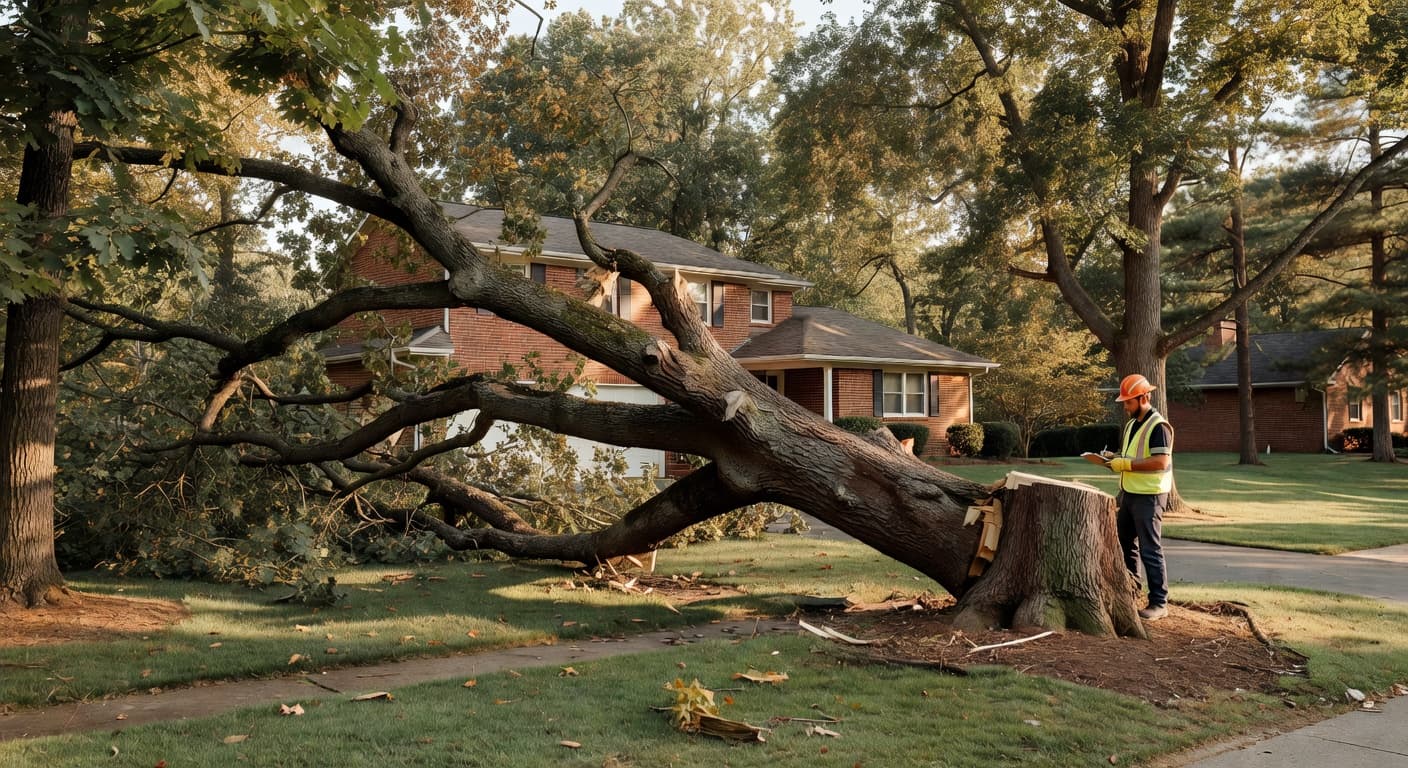
For example, a tree removal quote that does not mention debris handling can look cheaper until the job is done and the yard is still full of wood. A trimming quote that ignores roof clearance can miss the reason the homeowner called. A stump grinding quote that does not mention grind depth may not solve the landscaping problem.
What a Professional Should Be Looking At
A useful tree service estimate should connect the visible problem to the work plan. The crew should not only identify the tree or stump. They should understand what has to happen around it.
For tree removal cleanup, that usually means looking at:
- where equipment can safely reach
- what the tree, stump, or debris is close to
- whether the work area is wet, sloped, fenced, or narrow
- what should be hauled away, chipped, stacked, or left
- whether stump grinding, trimming, removal, or cleanup should be separated in the quote
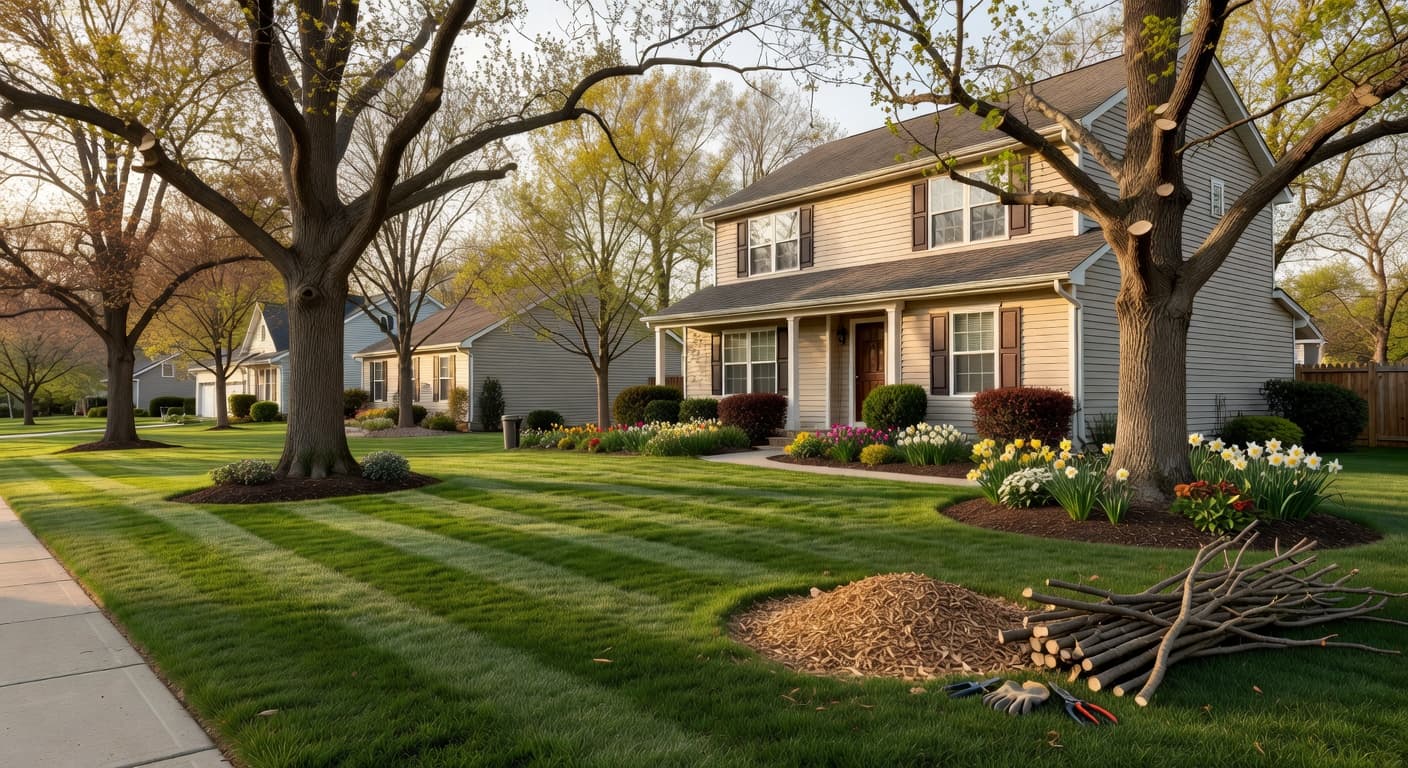
- how the finished yard should look when the job is complete
The right answer is not always the most expensive option. Sometimes trimming is enough. Sometimes grinding can wait. Sometimes cleanup can be reduced if the homeowner wants to keep firewood. The problem is not choosing a smaller scope. The problem is choosing a smaller scope by accident.
Homeowner Checklist Before You Call
Before you request an estimate, gather a few details. This makes the conversation faster and helps prevent surprises.
- Take one wide photo from the street or driveway.
- Take one closer photo of the trunk, stump, limb, or damaged area.
- Photograph nearby structures, fences, wires, gates, and access paths.
- Decide whether you want wood left, stacked, chipped, or hauled away.
- Mention soft ground, septic areas, irrigation, invisible fences, or private lines.
- Be clear about timing if there is a sale, storm concern, blocked driveway, or safety issue.
Those details help a contractor understand whether the job is simple, tight, urgent, or cleanup-heavy.
When It Can Wait
Not every issue requires immediate work. It may be reasonable to wait if the tree is healthy, the work area is open, there is no target nearby, and the concern is mostly cosmetic.
Waiting can also make sense when:
- you are bundling several stumps or trees into one visit
- the ground is too soft for clean access
- you are still deciding on a landscaping plan
- there is no safety exposure
- the issue is far away from structures and high-use areas
Even then, take photos and check the area after storms. The goal is to make waiting an intentional decision, not the default because the problem is easy to ignore.
When to Get Help Sooner
Move faster if the issue involves active risk. That includes anything leaning toward a house, hanging over a roof, blocking access, touching utility space, showing fresh cracks, or creating a trip hazard where people walk.
You should also call sooner when the work will only get harder with time. Dead trees become brittle. Wet yards limit equipment. Stumps in mowing paths keep causing frustration. Brush piles can settle into a bigger cleanup project than expected.
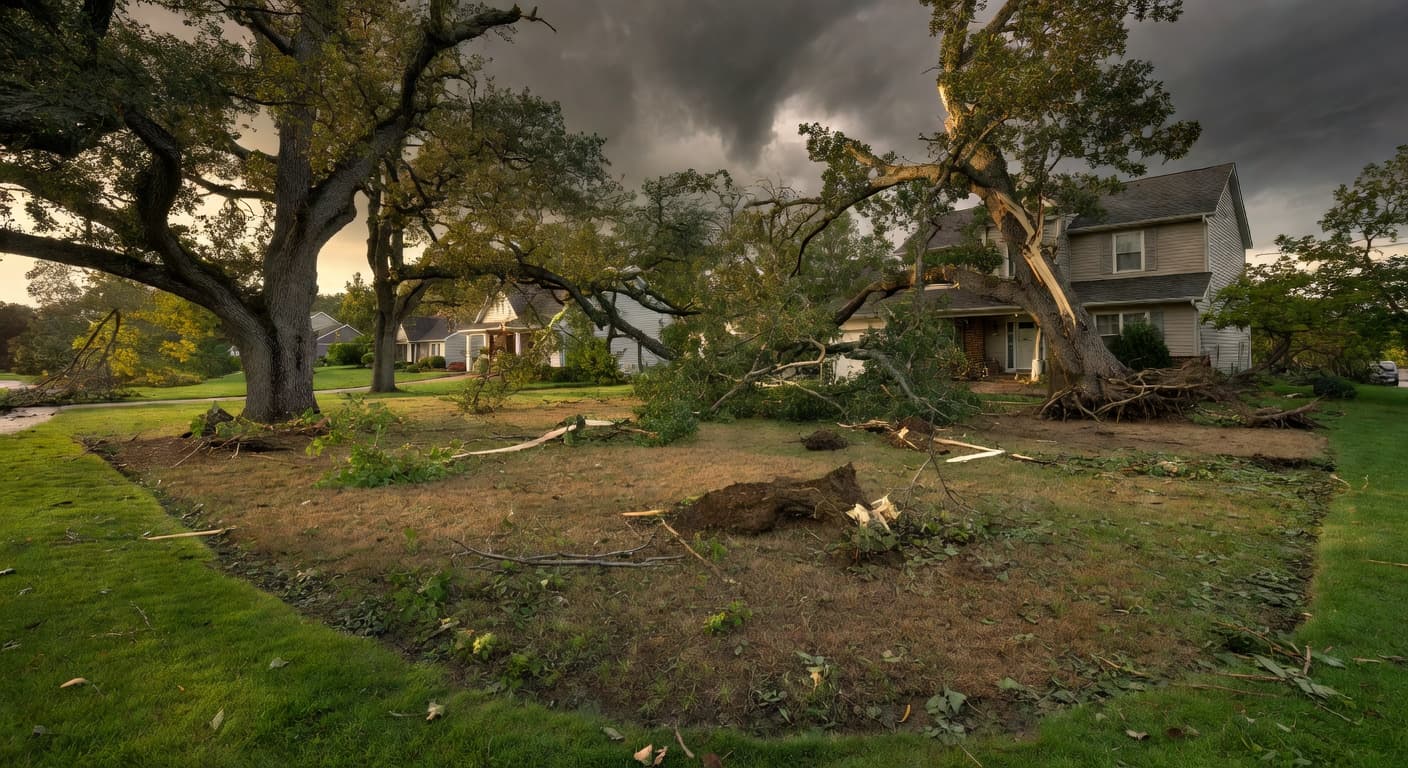
If there is storm damage, document the area before cleanup when it is safe to do so. Photos can help with insurance conversations and with estimating the work accurately.
What Should Be in the Estimate
A clear estimate should answer practical questions, not just give a number.
Look for:
- the exact tree, stump, limb, or cleanup area included
- whether debris is hauled away, chipped, stacked, or left
- whether stump grinding is included
- how access will be handled
- what the homeowner should move before the crew arrives
- whether weather or hidden conditions could change the plan
- when the work can be scheduled
If two quotes are far apart, compare the scope before assuming one company is simply cheaper. One quote may include cleanup and haul-away while another only includes cutting.
Need Property & Storm Cleanup?
Learn more about our professional property & storm cleanup service in Onondaga, Lansing, and Mid-Michigan - or call for a free estimate.
Common Mistakes to Avoid
The biggest mistake is treating every tree service quote like the same product. Tree work changes from property to property.
Avoid these shortcuts:
- choosing only by lowest price without comparing cleanup
- assuming stump grinding is included with tree removal
- trimming a risky limb from a ladder
- waiting on a declining tree because it is still standing
- forgetting to mention access limits before the crew arrives
- leaving wood, brush, or chips undecided until the job is finished
Small details are easier to solve before the job starts.
The Bottom Line
Yard Cleanup After Tree Removal in Mid-Michigan: What Should Be Included comes down to scope, safety, and timing. A good plan should match the actual property, not just the name of the service. If the tree, stump, limb, or cleanup area affects how you use the yard, what buyers see, or what could be damaged in a storm, get a clear estimate before it becomes urgent.
Stump Busters helps homeowners with property cleanup, tree work, cleanup, and stump grinding across Mid-Michigan. You can also read this related guide: more Mid-Michigan tree service advice.
Call (517) 202-3840 or request a free estimate when you want the work explained clearly before anyone starts cutting.