Storm Cleanup in Eaton County: What to Do After High Winds
A practical storm cleanup guide for Eaton County homeowners dealing with fallen limbs, damaged trees, debris, insurance photos, and safety risks.
First: Stay Clear of Damaged Trees
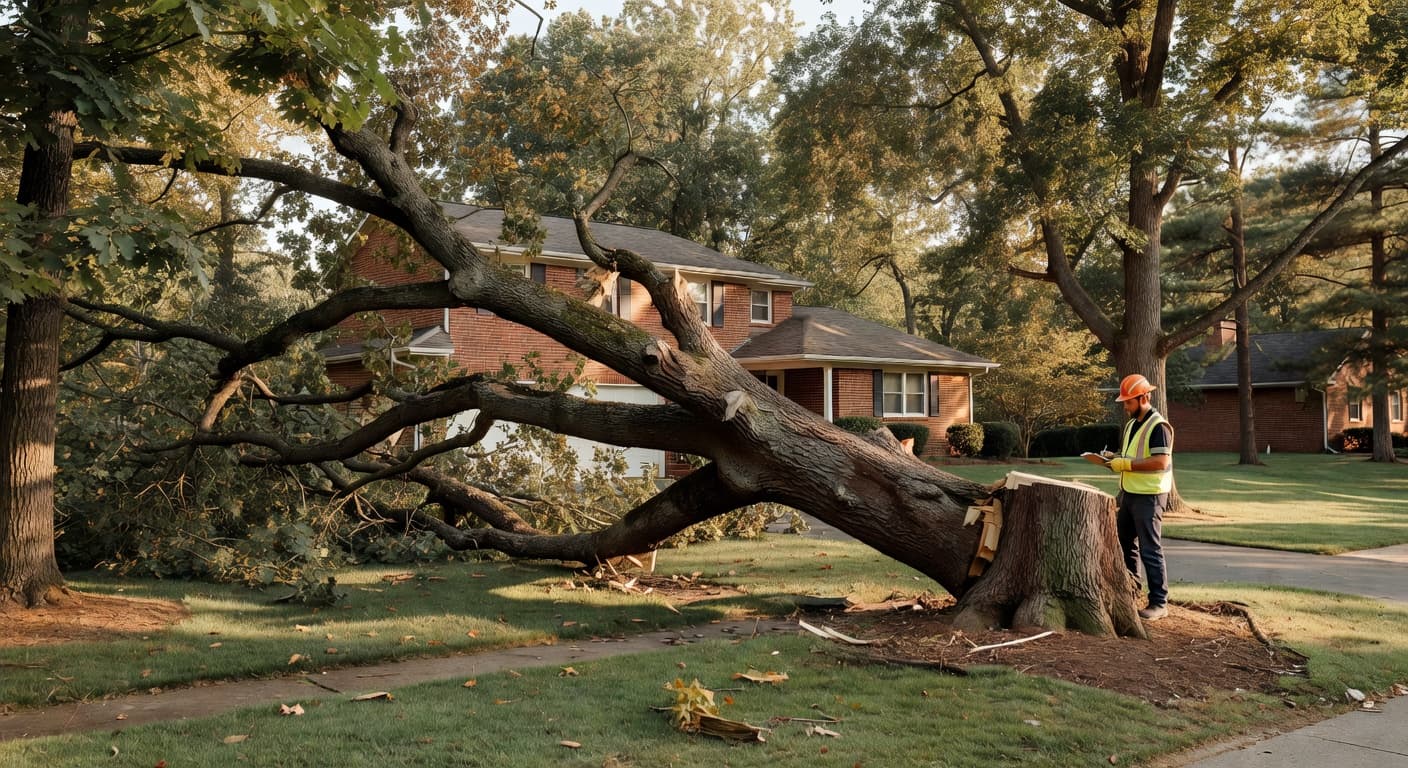
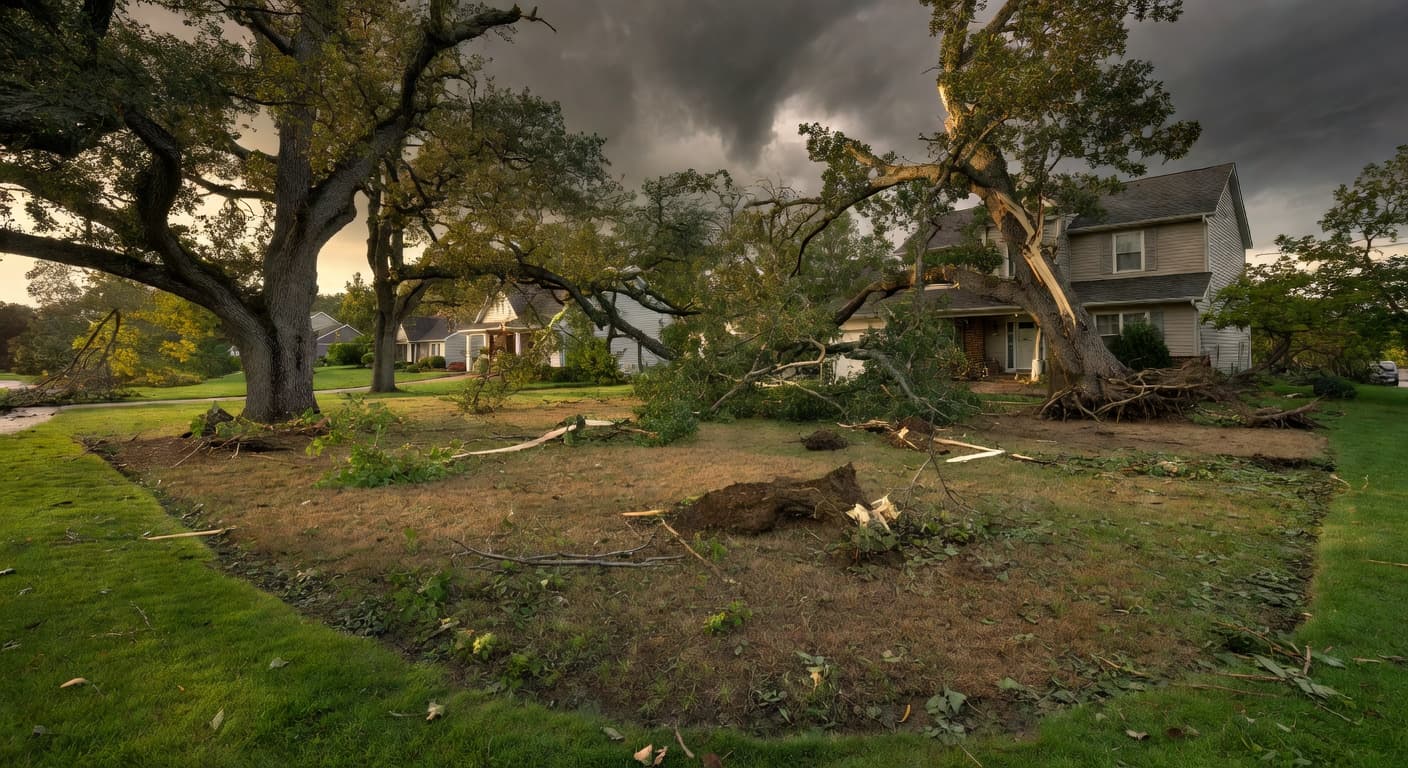
After high winds in Eaton County, the safest first step is simple: stay away from damaged trees, hanging limbs, downed wires, and any trunk or branch under tension. Take photos from a safe distance, keep people out of the area, and call a professional if a tree is leaning, split, resting on a structure, or blocking safe access.
Storm cleanup is not only about moving branches. Wind can leave hidden hazards in the canopy, root plate, trunk, and surrounding debris. A limb that looks stuck may fall later. A tree that looks upright may have root damage. A trunk under pressure can shift when cut.
This guide explains what Eaton County homeowners and property managers can do safely after a storm and when to bring in help.
Storm Damage on Your Property?
Call or text today. We'll assess your trees, explain your options, and give you a fair price. No pressure. No obligation.
Serving Onondaga, Lansing, and all of Mid-Michigan - same-day responses
What to Check From a Safe Distance
Before touching anything, walk the property slowly and look from multiple angles. Do not stand under damaged limbs or near leaning trees.
Look for:
- branches hanging above driveways or walkways
- split trunks
- fresh cracks
- exposed or lifted roots
- trees leaning toward buildings
- limbs on roofs, garages, sheds, fences, or vehicles
- blocked access for emergency vehicles
- downed utility lines
- debris piles hiding sharp branches or metal
If a power line is involved, stop and contact the utility company. Tree work near energized lines is not a homeowner job.
Take Photos Before Cleanup
If there may be an insurance claim, document the damage before debris is moved.
Take clear photos of:
- the full tree or limb
- where it landed
- damage to structures, fences, vehicles, or equipment
- roof contact points
- blocked driveways or entrances
- debris piles before removal
- close-ups of trunk cracks or broken limbs
Photos help preserve what happened during the storm. They can also help a contractor understand urgency before arriving.
For insurance-related tree questions, see our guide on tree removal and insurance in Michigan.
What You Can Usually Do Yourself
Some cleanup is reasonable if the area is stable and the debris is small.
Homeowners can often handle:
- small sticks and loose branches on open lawn
- light raking
- moving small debris away from drains
- clearing leaves from safe walkways
- photographing damage
- marking off unsafe areas
Wear gloves, boots, and eye protection. Keep children and pets inside or away from the cleanup area.
Do not climb, cut overhead limbs, work from a ladder with a chainsaw, or cut anything supporting weight.
When to Call a Professional
Call for professional storm cleanup when:
- a limb is hanging overhead
- the tree is on a roof or structure
- a trunk is split
- a tree is leaning after the storm
- large branches are tangled
- a tree blocks a driveway or entrance
- cleanup requires chainsaw work near a target
- the root plate has lifted
- you are not sure what is holding the limb in place
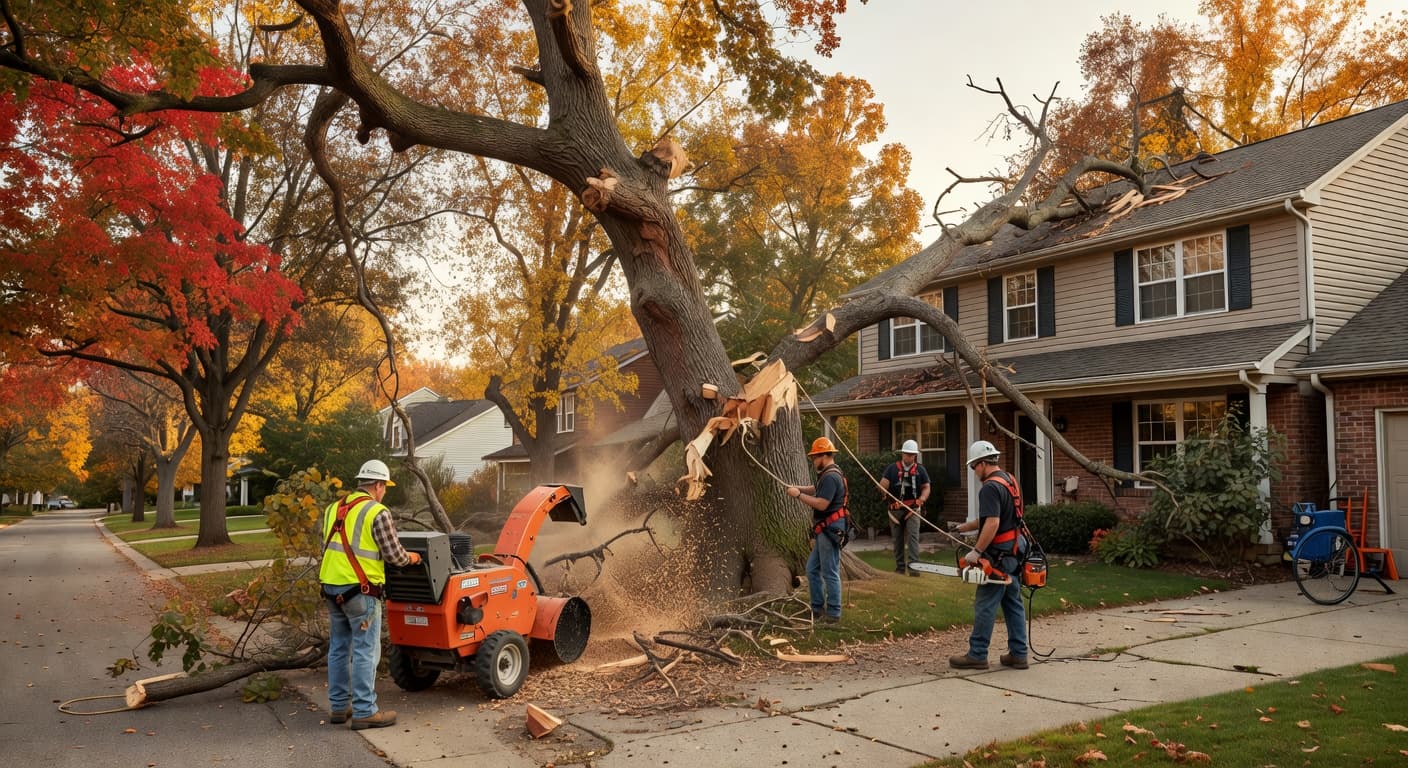
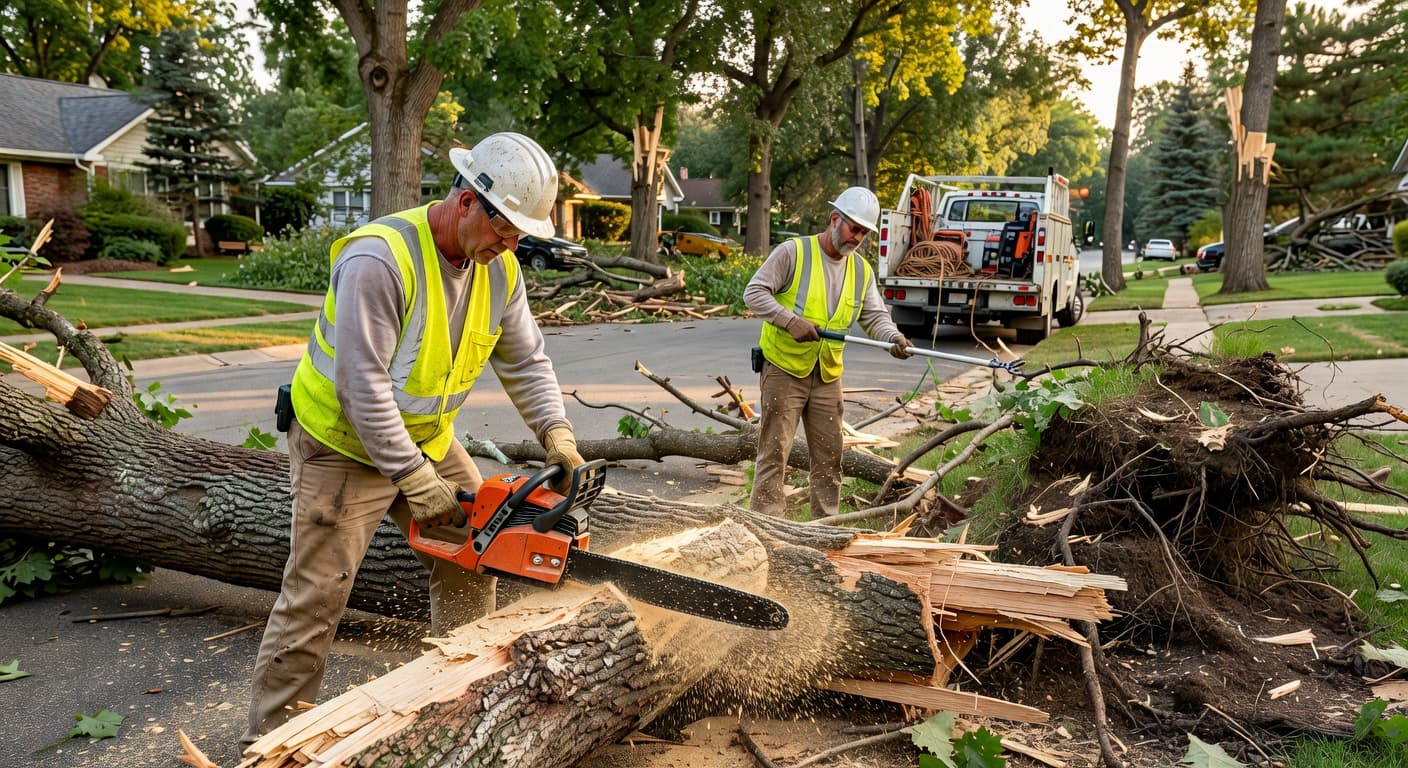
Storm-damaged trees are unpredictable. Wood can be under compression or tension, and cuts can release force suddenly. That is why professional crews look at the whole tree before making the first cut.
The Eaton County Storm Pattern
Eaton County properties can take damage from straight-line winds, thunderstorms, wet snow, and freeze-thaw cycles. Rural lots may have more open wind exposure, while neighborhood properties may have mature trees close to homes, garages, fences, and driveways.
Common storm problems include:
- large limbs dropped from mature maples and oaks
- pine or spruce failures after saturated soil
- trees leaning after root movement
- branches breaking over sheds or fences
- brush piles blocking access
- repeated cleanup needs after multi-day storms
The cleanup plan should fit the property. A large rural debris pile is different from a broken limb over a small backyard garage.
What Professional Storm Cleanup Should Include
A good storm cleanup visit should do more than cut what is visible.
The crew should assess:
- immediate hazards
- whether the tree can be saved
- whether removal is safer
- how debris can be moved without causing more damage
- stump or root issues
- cleanup and hauling expectations
- whether nearby trees were also weakened
The goal is to make the property safe and usable, not just make the biggest limb disappear.
Need Property & Storm Cleanup?
Learn more about our professional property & storm cleanup service in Onondaga, Lansing, and Mid-Michigan - or call for a free estimate.
Storm Cleanup FAQ
Who removes a tree after it falls?
Responsibility depends on where the tree fell, what it damaged, and who owns the tree or property. If insurance may be involved, take photos and contact your carrier before major cleanup when it is safe to wait. If the tree is creating an active hazard, prioritize safety and document what you can.
Can I cut up a fallen limb myself?
Small loose limbs on open ground are usually manageable. Large limbs, suspended limbs, and limbs resting on structures are different. If the wood is under pressure, cutting it can make it spring, roll, or drop unexpectedly.
Should I remove the whole tree after storm damage?
Not always. Some trees can be trimmed and monitored. Removal becomes more likely when the trunk is split, the root plate moved, the tree is leaning, or too much of the canopy was lost. A professional estimate should explain why removal or trimming is the better option.
What if cleanup can wait?
If the debris is not blocking access, touching structures, or creating a safety hazard, it may be reasonable to schedule normal cleanup. Mark off the area, keep people away, and avoid driving over hidden debris.
Should the Tree Be Removed or Trimmed?
Not every storm-damaged tree needs removal. Some can be trimmed and monitored. Others are too compromised.
Removal is more likely when:
- the trunk is split
- the main leader broke
- the tree is leaning from the roots
- decay is visible
- too much canopy was lost
- the tree now threatens a structure
Trimming may be enough when:
- only a few limbs broke
- the trunk is sound
- the remaining canopy is balanced
- the tree has room to recover
- the damaged limbs can be removed safely
If you are unsure, ask for an estimate that explains both options.
How to Avoid the Next Storm Problem
After cleanup, look at the rest of the property. Storms often reveal maintenance issues that were already developing.
Preventive steps include:
- trimming dead limbs
- removing high-risk dead trees
- grinding old stumps that interfere with maintenance
- cleaning up brush piles
- inspecting trees near roofs and driveways
- reviewing drainage and soft soil areas
Our spring property checklist gives homeowners a seasonal way to spot issues before storms make them urgent.
What to Tell the Crew When You Call
When you request storm cleanup, include:
- your city or township
- whether access is blocked
- whether a structure was hit
- whether wires may be involved
- whether the tree is still moving or leaning
- photos from a safe distance
- whether you want full debris hauling
- whether stump grinding should be discussed
That information helps the crew understand urgency and bring the right equipment.
The Bottom Line
After high winds in Eaton County, focus on safety first, photos second, and cleanup third. Small loose debris can often wait. Hanging limbs, leaning trees, split trunks, and blocked access should be handled quickly.
Stump Busters can help with storm cleanup, tree removal, trimming, stump grinding, and debris hauling across Eaton County and Mid-Michigan.
Call (517) 202-3840 or request a free estimate if storm damage left your property unsafe or hard to use.