Ash Tree Problems in Mid-Michigan: Signs You Should Schedule Removal Before It Fails
Learn the common signs of ash decline in Mid-Michigan and when removal makes more sense than waiting for branch or trunk failure.
The Short Answer for Mid-Michigan Homeowners
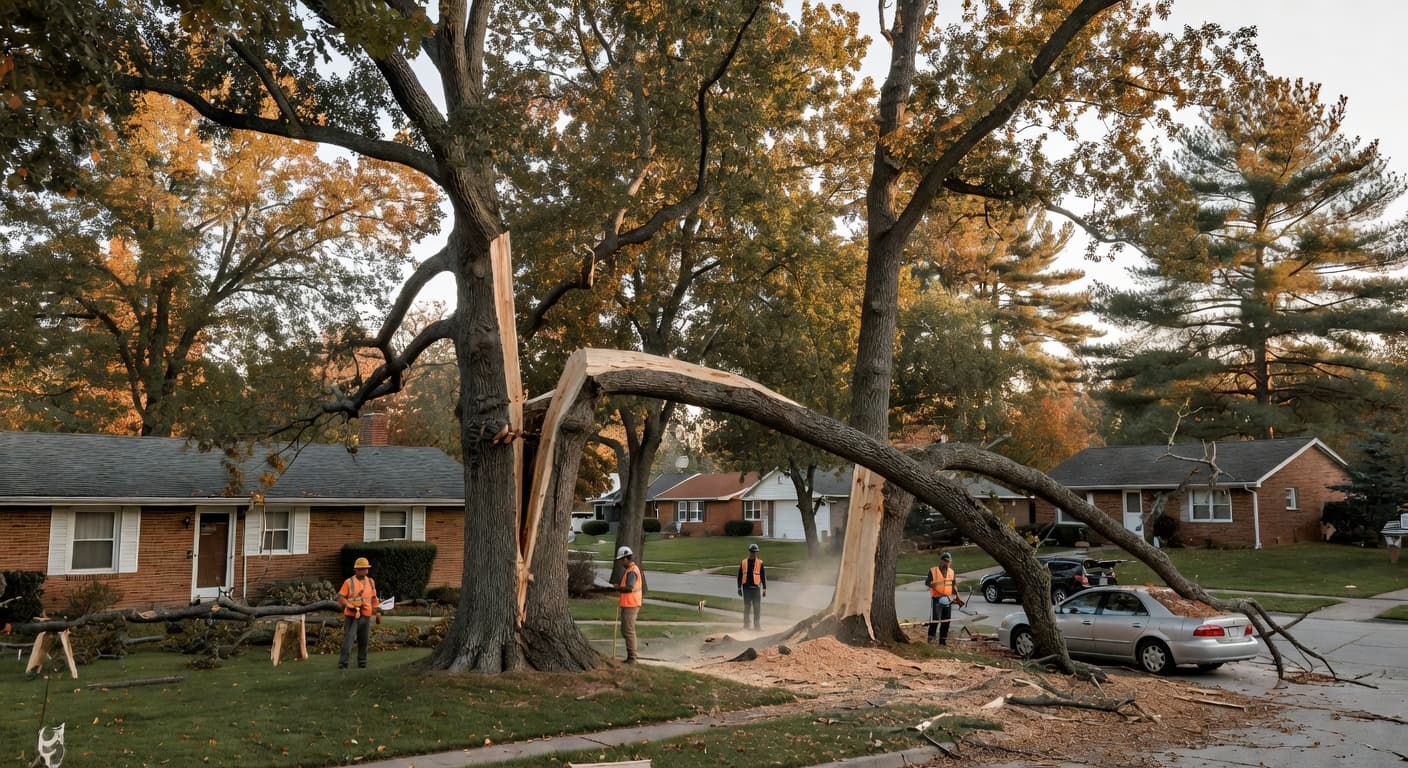
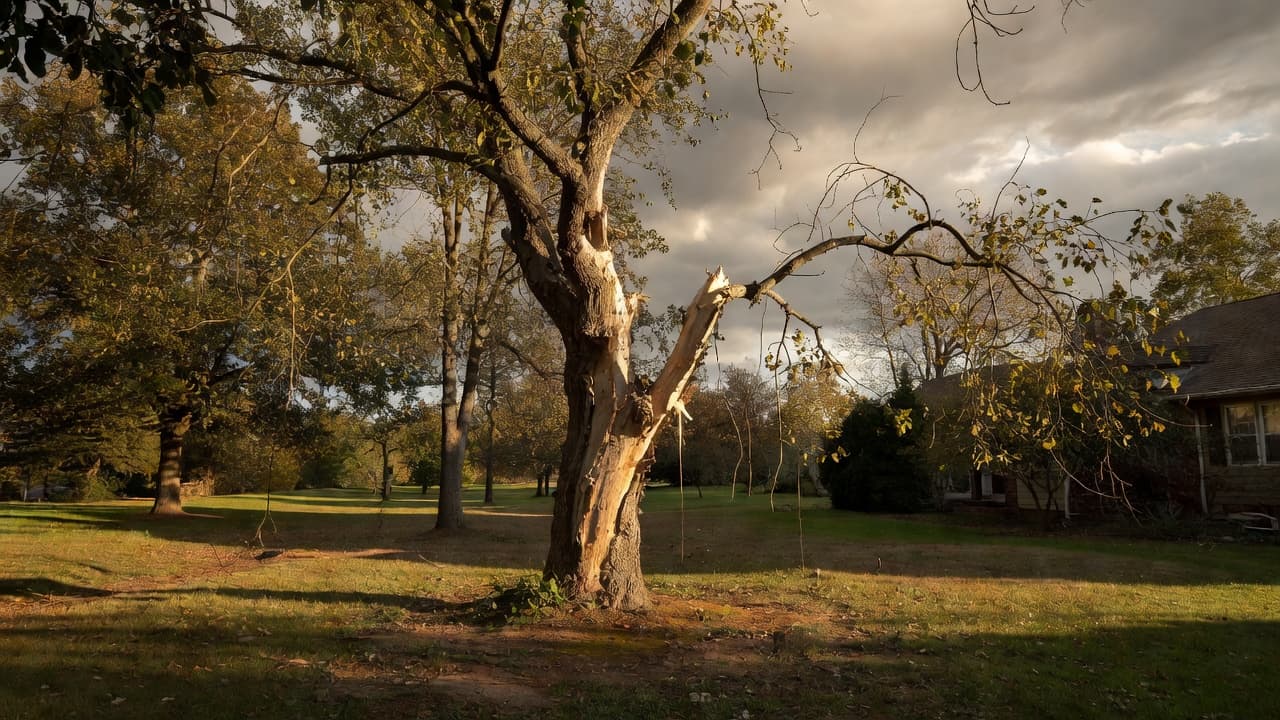
If an ash tree in your yard is thinning out at the top, dropping bark, sending up shoots from the trunk, or shedding dead limbs, do not assume it has years left. In Mid-Michigan, ash decline often accelerates after emerald ash borer damage, and once the canopy starts to fail, the tree can become brittle fast. Some trees can be monitored for a short period. Many are safer and cheaper to remove before they start dropping heavy wood or becoming too hazardous to climb.
This article is for homeowners who are not shopping for emergency service yet but know something looks wrong. By the end, you should know what symptoms matter most, what you can safely monitor from the ground, and when waiting creates more cost and risk than scheduling removal on your terms.
Seeing an Ash Tree Start to Decline?
Call or text today. We'll assess your trees, explain your options, and give you a fair price. No pressure. No obligation.
Serving Onondaga, Lansing, and all of Mid-Michigan - same-day responses
Why Ash Trees Are Different From a Normal 'Wait and See' Problem
Homeowners often delay tree decisions because living trees can look rough and still recover. Ash trees do not always give you that luxury once serious decline sets in.
In Mid-Michigan, the big driver is emerald ash borer damage. The insect kills the tree by interrupting the flow of water and nutrients under the bark. What makes this dangerous is the timing:
- the canopy can thin gradually, then worsen suddenly
- dead limbs become brittle and unpredictable
- bark loss hides deeper structural weakness
- the tree gets more dangerous and expensive to remove as decay advances
That last point matters. People often postpone removal hoping to save money. With a declining ash, delay usually moves the job in the other direction.
The Most Common Signs of Ash Decline
1. Thinning at the top of the canopy
One of the first visible signs is dieback high in the crown. If the top third looks sparse while other nearby trees are leafing out normally, pay attention.
2. Bark splitting or peeling
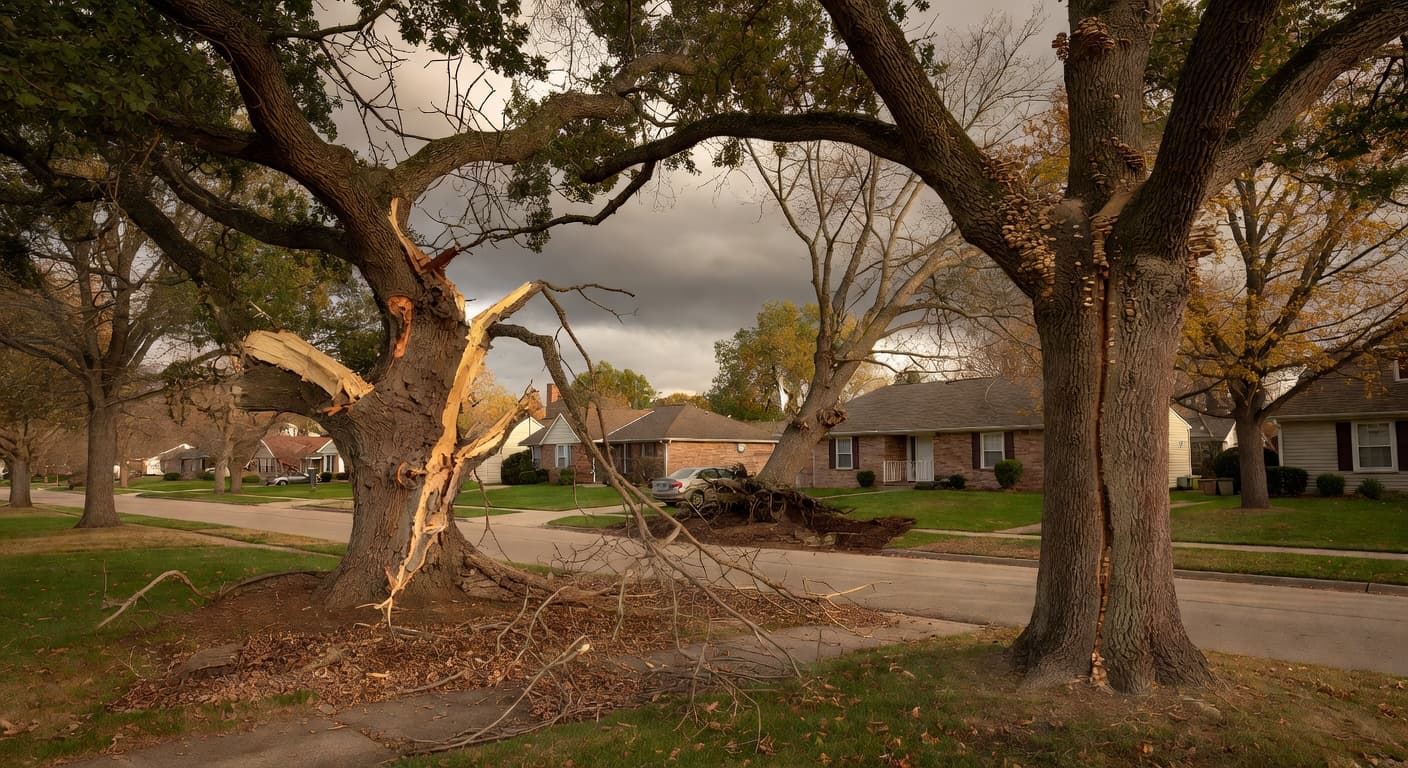
Ash trees with borer damage often show vertical bark splits or sections sloughing off. Sometimes woodpecker activity exposes this sooner because birds feed on larvae under the bark.
3. Sprouts along the trunk or base
When the canopy is stressed, the tree may push out new shoots lower on the trunk or at the base. Homeowners sometimes mistake this for recovery. It is more often a distress signal.
4. Dead branches dropping without much warning
Ash wood gets brittle after decline. A dead limb can hang for a while, then fail during summer wind or after a wet snowfall.
5. D-shaped exit holes
These are classic emerald ash borer signs, though they can be hard to spot from the ground. Even if you never see them directly, the canopy and bark symptoms above can still tell the story.
For a broader look at tree warning signs, our Michigan tree species guide and tree safety checklist are useful references.
What This Means for Safety Around the House
An ash tree near a house, driveway, deck, or power drop is not the same as an ash tree out on the far edge of a property. The target below the tree changes the urgency.
High-risk situations include:
- dead limbs over a roof or parking area
- thinning canopy above a play area or walkway
- a declining ash close to a garage, fence, or shed
- trees near service lines where climbing access is limited
This is where the reader belief often gets people stuck: "It has looked bad for two years and has not fallen yet." That feels reassuring, but it is not reliable. The transition from ugly tree to hazardous tree can be quiet until the wrong storm hits.
Why Waiting Usually Raises the Removal Cost
Homeowners often ask whether it is okay to wait until next year. Sometimes it is. But with ash trees, delay has a price logic you should understand.
When the tree is still reasonably sound, a crew has more options:
- better climbing and rigging points
- more predictable branch behavior
- lower chance of brittle breakage during the job
- safer handling near houses and fences
As the tree dies further, crews may need more time, more caution, and sometimes different equipment. In practical terms, the work gets less forgiving.
That does not mean every declining ash needs immediate emergency removal. It means your cheapest, calmest window is often earlier than homeowners expect.
What You Can Safely Check Yourself
You do not need to poke at brittle limbs or peel bark off the trunk. Stay on the ground and check:
- Is the top of the tree leafing out evenly?
- Are dead branches visible from the driveway?
- Is the bark splitting or dropping in multiple places?
- Are there shoots coming from the trunk or root flare?
- Has the tree become more open or sparse over the last season?
- Is there anything valuable directly below the tree?
Take wide photos and close-ups from ground level. Compare them over a few weeks if you are unsure. If decline is spreading, the trend matters as much as the single snapshot.
Mid-Michigan Timing Matters
In this region, ash issues often become more obvious in a few seasonal windows:
Late spring
Trees that leaf out weakly stand out against healthy maples and oaks. This is one of the best times to see canopy loss clearly.
Summer storms
Heavy rain and wind expose brittle branches. Homeowners who ignored mild dieback often notice the risk after the first branch drop.
Leaf-off season
Once leaves are gone, canopy structure, deadwood, and trunk shape are easier to inspect. This can be a smart planning window for non-emergency removal.
Monitor, Trim, or Remove? A Simple Decision Framework
Monitor
Monitoring may make sense if the tree has only mild canopy thinning, no major deadwood over targets, and no sign of rapid decline. Even then, you should set a recheck date instead of forgetting about it.
Trim
Selective trimming can help if the tree is otherwise stable and the issue is limited to a few dead limbs. But trimming is not a cure for a tree that is broadly failing from borer damage.
Remove
Removal is usually the better call when:
- canopy dieback is widespread
- deadwood is substantial
- the tree is close to a structure
- trunk or bark symptoms suggest advanced decline
- the tree has already started dropping limbs
If the tree also leans, shows root stress, or hangs over a roofline, compare it with our guidance on branches hanging over your roof in Michigan once that article is live, or use the current warning signs your tree could fall article for a similar hazard framework.
If the symptoms point toward removal instead of monitoring, Stump Busters' tree removal service is the right service page to review before requesting a site-specific estimate.
What a Good Estimate Should Tell You
When you request an estimate for a declining ash, a useful quote should clarify:
- whether the canopy is safe enough for standard climbing
- whether nearby structures change the method
- whether haul-away is included
- whether stump grinding is separate
- whether the crew expects the tree to become materially riskier if delayed
That last point is not a scare tactic when it is grounded in visible condition. It is a planning point. You want to know whether you are looking at routine scheduling or a job that could become much more limited in a season.
The Emotional Side of This Decision
Ash trees are often mature shade trees. They change how a yard feels. Homeowners delay because they do not want to lose the tree, do not want the cost, or hope treatment is still worth it. That is understandable.
But if the desired outcome is protecting the house, avoiding a rushed removal, and keeping control of the budget, the practical move is to decide while you still have options. Waiting until there is a cracked limb over the driveway is not usually the lower-stress path.
The Bottom Line
An ash tree with canopy thinning, bark loss, trunk shoots, and dead limbs is telling you something important. In Mid-Michigan, that combination often points to a tree that is moving toward brittleness and higher removal risk. Monitoring can work when the symptoms are mild and the target risk is low. Once decline is clearly spreading, scheduled removal is usually safer than waiting for storm damage to make the decision for you.
Stump Busters can look at the tree in context - the canopy, the target below it, the access around it, and how quickly the condition seems to be changing - so you know whether you are looking at a watch list item or a tree that is smarter to remove now.
Need Tree Removal?
Learn more about our professional tree removal service in Onondaga, Lansing, and Mid-Michigan - or call for a free estimate.