Branches Hanging Over Your Roof in Michigan: Trim or Remove?
Learn when overhanging roof branches are a simple trimming job and when Michigan homeowners should consider full tree removal.
The Short Answer for Michigan Homeowners
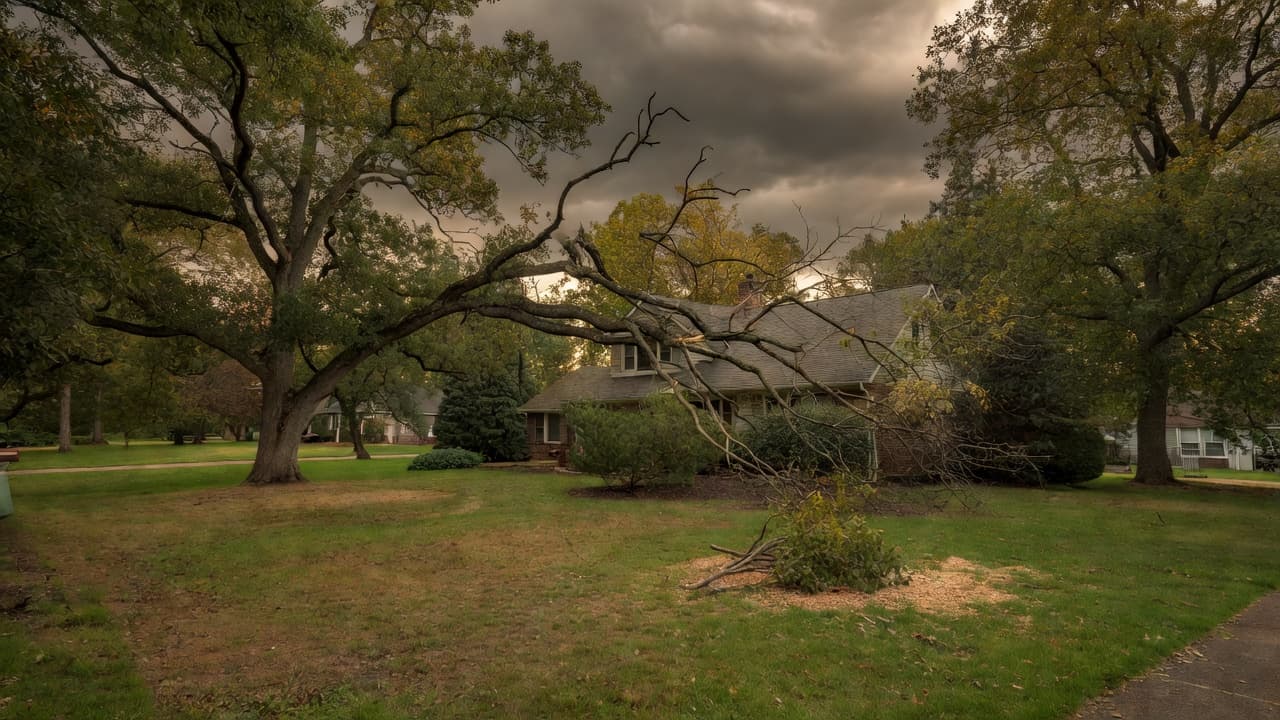
If a branch is hanging over your roof but it is healthy, well-attached, and not rubbing shingles or gutters, trimming is usually enough. If the limb is cracked, dead, too large to clear safely, or attached to a tree that is already leaning or declining, removal may be the safer call. The important question is not whether the branch looks ugly from the driveway. It is whether Michigan wind, ice, and wet snow can turn it into a roof leak, gutter failure, or emergency tree job.
This guide is for homeowners in Lansing, Onondaga, Mason, and the rest of Mid-Michigan who are trying to decide what to do before the next storm does it for them. By the end, you should be able to tell the difference between a routine trimming issue, a watch-it problem, and a hazard that deserves a professional inspection.
Need a Roofline Tree Check Before the Next Storm?
Call or text today. We'll assess your trees, explain your options, and give you a fair price. No pressure. No obligation.
Serving Onondaga, Lansing, and all of Mid-Michigan - same-day responses
Why Roofline Branches Become Expensive Fast
Branches over a roof often look harmless because they do not cause a problem every day. The damage usually happens in moments you do not control:
- an ice load adds weight overnight
- a thunderstorm twists a weak branch toward the shingles
- a rubbing limb strips granules off the roof during wind
- a gutter fills with twigs, overflows, and sends water toward fascia or siding
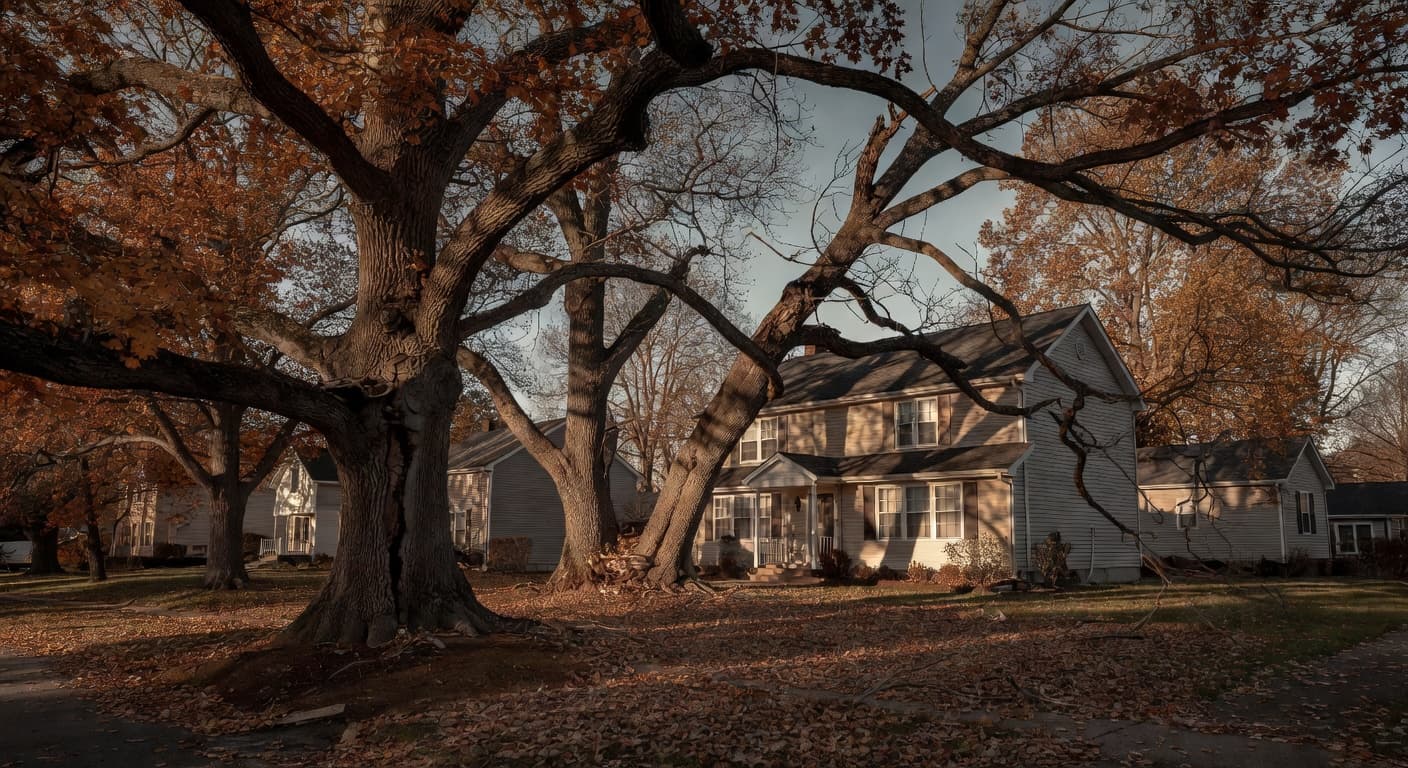
In Mid-Michigan, freeze-thaw cycles make this worse. A branch that clears the roof by a few inches in dry summer weather can sag noticeably after rain, wet leaves, or snow. That is why a branch does not need to be resting on the roof to be a real issue.
The main risk categories are simple:
- Surface damage from rubbing, scraping, and clogged gutters.
- Structural damage from falling or splitting limbs.
- Hidden tree-health problems that make the whole canopy less predictable.
Trim or Remove? Start With These Four Questions
Before you call anyone, use this quick decision framework.
1. Is the branch alive and structurally sound?
Healthy branches still flex. Dead branches tend to look brittle, barkless, or sparse compared with the rest of the canopy. If the branch has peeling bark, fungal growth, or a visible crack where it joins the trunk, treat it as a removal-risk conversation, not just a pruning conversation.
2. How close is it to the roof right now?
If the branch already touches shingles, gutters, flashing, or a chimney, trimming should move quickly to the top of the list. If it only clears by a small margin, think about what happens during wind and snow, not just on a calm day.
3. How large is the limb?
A thin ornamental branch and a heavy maple limb are not the same problem. Once the limb is large enough to damage decking, gutters, or an attached garage if it fails, the risk shifts. Big wood over a roof deserves more caution than homeowners usually give it.
4. What is the rest of the tree doing?
This is where people miss the bigger issue. A limb over the roof may be the visible symptom, but the real problem could be root stress, trunk decay, included bark, or an unbalanced canopy. If the whole tree is declining, you may spend money trimming a branch and still end up needing removal later.
When Trimming Is Usually the Right Move
Trimming is often enough when the tree is otherwise healthy and the branch problem is about clearance, shape, or future prevention.
That usually means:
- the branch is alive and solid
- the trunk and branch union look sound
- there are no major cracks or hanging sections
- the branch can be cut back to a healthy lateral branch
- the roof contact issue is caused by normal growth, not storm damage
For many Mid-Michigan properties, this is common with maples, locusts, and mature shade trees that were planted too close to the house years ago. Strategic pruning can reduce roof contact, improve airflow, and lower the chance of leaf buildup in gutters without taking down a valuable tree.
The catch is that proper trimming matters. Bad cuts create weak regrowth, invite decay, and sometimes make the next storm worse instead of better. If you are deciding between a quick hack job and a real pruning cut, the cheap option usually gets expensive later.
For seasonal timing guidance, see our article on the best time to trim trees in Michigan.
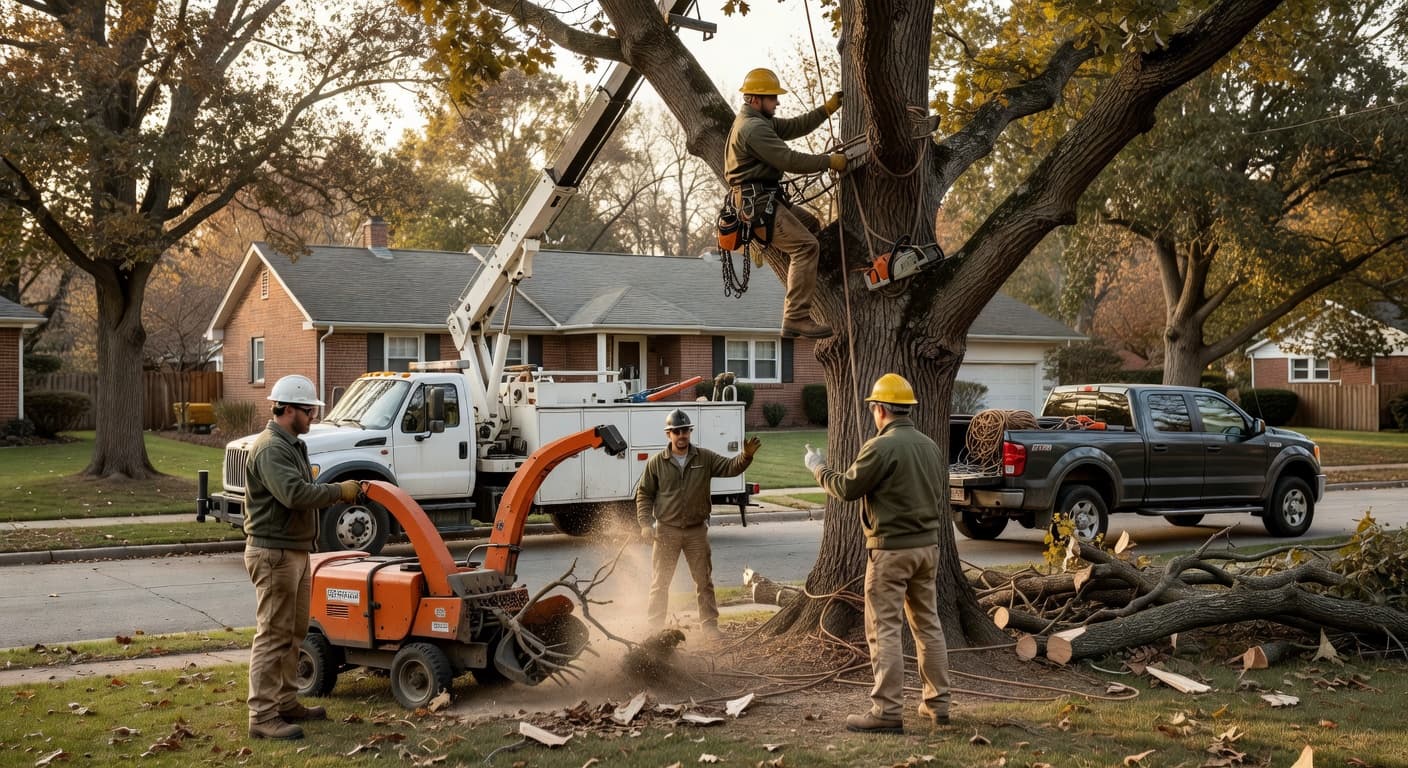
If the branch needs professional clearance rather than full removal, compare the scope against Stump Busters' tree trimming service so you know what a proper roofline pruning visit should include.
When Removal Deserves a Serious Look
Removal becomes the better option when the branch issue is tied to a bigger structural or safety problem. That includes:
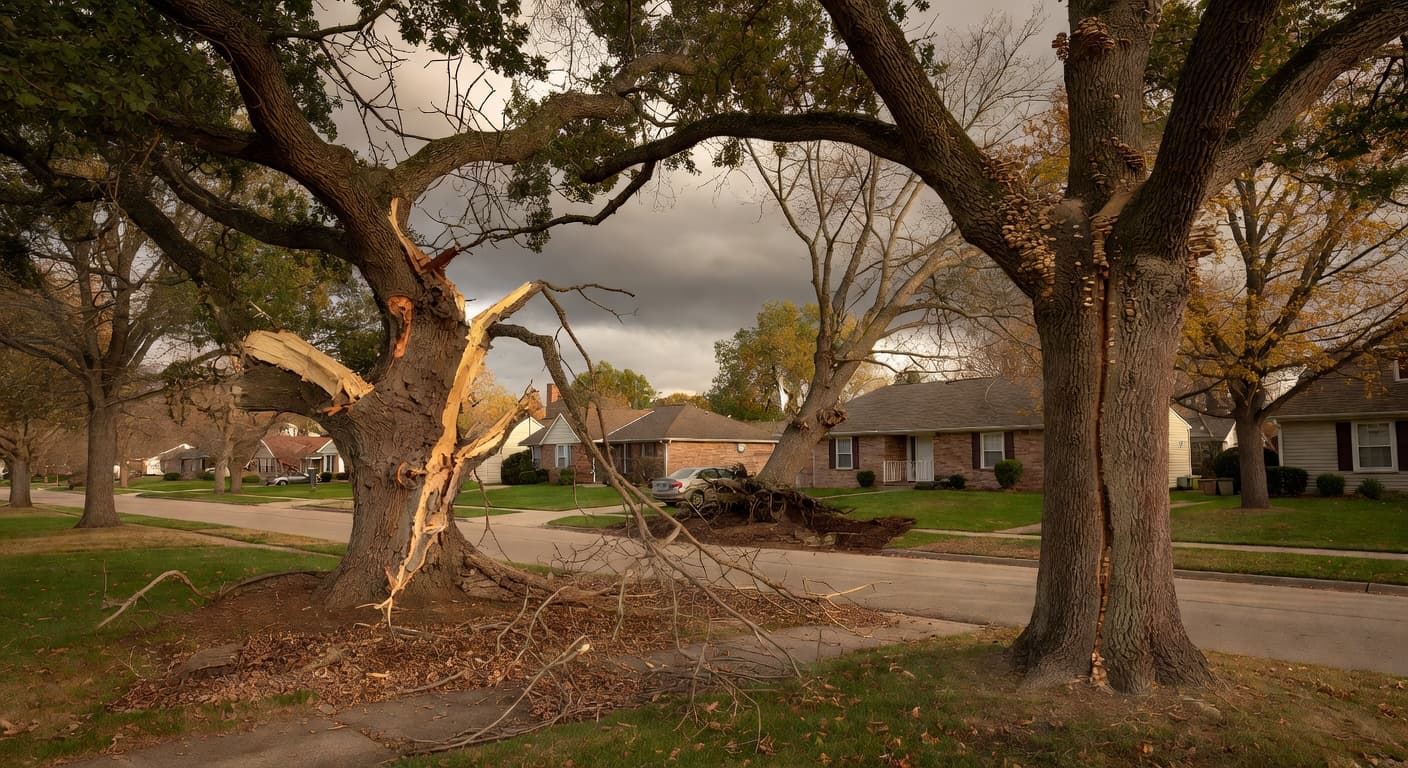
- a major cracked limb over the roof
- dead canopy sections large enough to damage the house
- a trunk lean toward the structure
- visible decay, cavities, or fungal growth
- repeated storm breakage from the same tree
- roots or trunk defects that make the tree unreliable
In other words, if the branch is dangerous because the tree is dangerous, do not solve a tree problem with a cosmetic trim.
This comes up often after storm seasons in Lansing and surrounding areas. A homeowner notices one branch hanging over the roof, but the inspection shows the crown is thinning, the trunk has a split, or one side of the root zone has lifted. In that situation, trimming only the overhang can delay the real decision without lowering the actual risk.
If you are already seeing multiple warning signs, review 5 hidden signs your tree could fall on your house this winter before assuming the roofline branch is the only issue.
For a broader property walkaround, use the Michigan homeowner's tree safety checklist before the next storm season.
What You Can Check Yourself Safely
There are useful checks you can do from the ground without turning this into a ladder project.
Look for:
- branches touching or scraping the roof
- bark missing along the underside of the limb
- an obvious crack where the branch meets the trunk
- hanging branches caught in the canopy
- mushrooms or decay near the trunk base
- recent root heaving, soil lifting, or lean
- gutters filling quickly from one problem tree
Take photos from multiple angles. A good set of ground photos helps whether you decide to monitor, trim, or request an estimate.
What not to do:
- do not climb on the roof to cut from above
- do not use a ladder and chainsaw combination
- do not pull on a partially broken limb
- do not work near service drops or power lines
The line between a simple yard project and a real injury risk is thinner than most people think, especially when limbs are under tension after wind or ice.
Mid-Michigan Factors That Change the Decision
Local conditions matter. In Mid-Michigan, roofline branch decisions are influenced by:
Wet spring growth
Fast spring leaf-out adds weight and reduces branch clearance quickly. A limb that seemed fine in March can start brushing a roof in May.
Summer thunderstorms
Strong gusts and saturated soil expose weak branch unions fast. Trees that have not been thinned or cleaned in years are more likely to drop heavy wood.
Fall leaf load
Leaves increase sail effect in wind and dump debris into gutters. This is when many homeowners notice water overflow, not realizing the overhanging branch is part of the problem.
Winter ice and snow
This is the biggest reason not to delay obvious hazards. Michigan ice loading turns average overhang issues into emergency calls.
A Practical Rule for Gutters, Shingles, and Insurance
If a branch is already causing repeated gutter blockages, rubbing marks, or roof cleanup issues, it is no longer a future problem. It is a current maintenance problem with a safety side.
Homeowner's insurance usually cares more about damage than about preventive trimming, so waiting rarely creates a financial advantage. What it does create is a bigger chance that you will be dealing with a claim, emergency cleanup, and interior water issues after a storm.
If the roofline branch is part of a storm-damaged tree, read does homeowner's insurance cover tree removal in Michigan? and keep clear photo records before anything gets moved.
What a Good Estimate Should Clarify
Whether the answer is trim or remove, the estimate should explain the scope clearly. Ask:
- Is the recommendation limited to pruning, or is there a larger structural concern?
- Which limbs are being removed and why?
- Will the crew protect shingles, gutters, and landscaping below?
- Is debris haul-away included?
- If the tree is too close to the roof for safe trimming, what changes in method or price?
That written scope matters because not every "tree trimming" quote is describing the same work. One crew may be pricing clearance cuts only. Another may be accounting for rigging, roof protection, and cleanup. If the scope is vague, comparison shopping gets misleading fast.
When the Best Next Step Is an Inspection, Not a Quote Race
Many homeowners start with "How much to trim this branch?" when the better question is "What is this tree actually doing?" If the tree shows multiple warning signs, an inspection is more useful than racing to the lowest number.
That is especially true when:
- the branch is large and directly over living space
- the tree is close to a chimney, service line, or detached garage
- the roofline problem has gotten worse quickly
- the tree has already lost limbs in previous storms
A professional inspection should tell you whether this is a maintenance prune, a staged pruning job, or a removal candidate. That clarity saves money because it keeps you from paying twice.
The Bottom Line
If the tree is healthy and the problem is simple roof clearance, trimming is usually the right answer. If the limb is cracked, dead, oversized, or part of a larger structural problem, removal deserves serious consideration. The sooner you make that distinction, the less likely you are to be forced into a rushed decision after a storm.
For Mid-Michigan homeowners, the safest path is usually to document the issue from the ground, avoid risky DIY cutting, and get a clear recommendation before the weather escalates the problem. If you want a practical second opinion, Stump Busters can look at the branch, the roof clearance, and the tree as a whole so you know whether you need maintenance, monitoring, or removal.
Need Tree Trimming & Pruning?
Learn more about our professional tree trimming & pruning service in Onondaga, Lansing, and Mid-Michigan - or call for a free estimate.