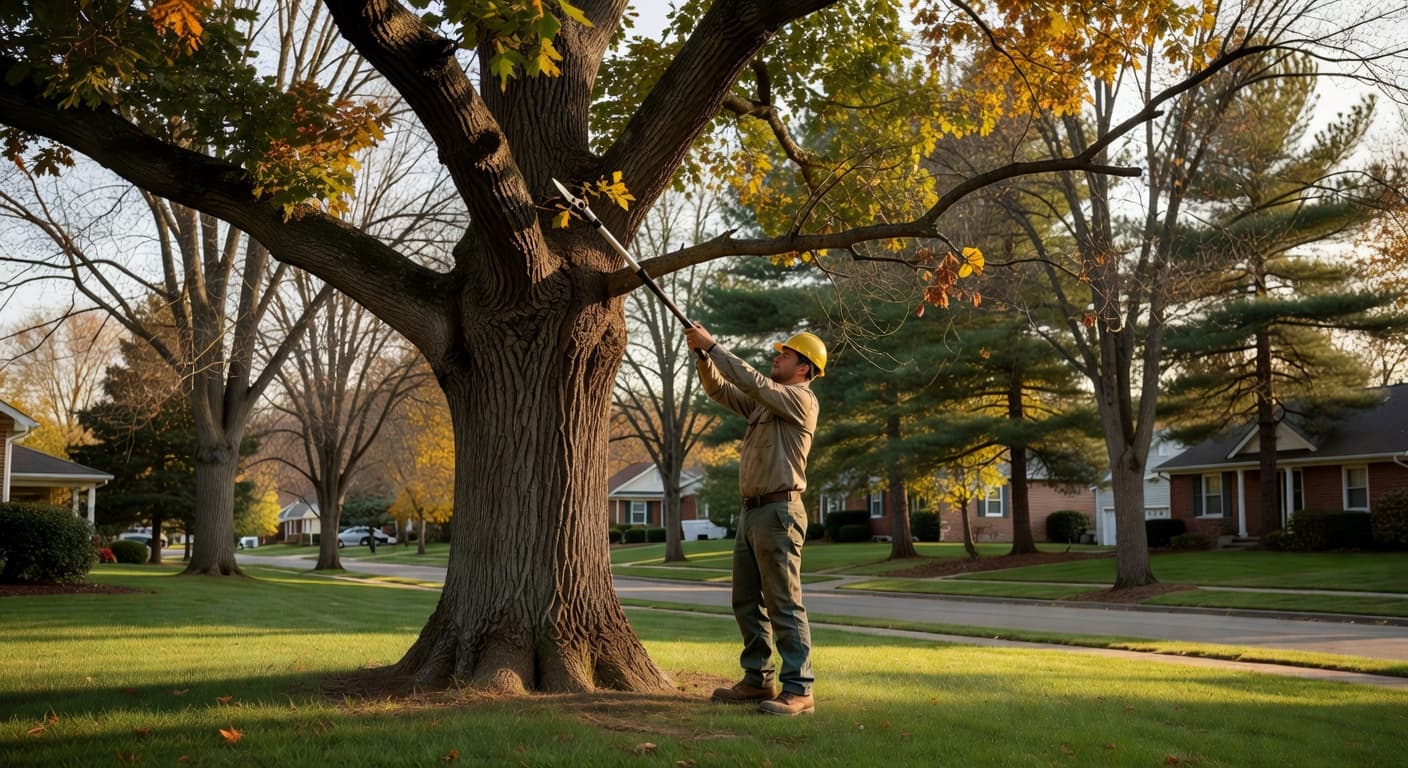
Myth: Tree Trimming Any Time of Year Is Fine
Tree trimming timing matters in Michigan. Learn when pruning is safest, when to avoid trimming, and when storm damage makes immediate work necessary.
The Myth
"Tree trimming can happen any time of year."
Sometimes it can. But in Michigan, timing affects tree health, disease risk, storm resilience, and how well the tree responds after pruning. The best season depends on the tree species, the reason for trimming, and whether the work is routine or urgent.
If a limb is broken, hanging, or creating a safety risk, it should be addressed right away. But routine trimming should be planned more carefully.
This guide helps Lansing and Mid-Michigan homeowners understand when timing matters and when safety overrides the calendar.
Need Help Timing Tree Trimming?
Call or text today. We'll assess your trees, explain your options, and give you a fair price. No pressure. No obligation.
Serving Onondaga, Lansing, and all of Mid-Michigan - same-day responses
Why Timing Matters
Pruning creates wounds. Healthy trees can seal those wounds over time, but season, stress, pests, and disease pressure affect how well that happens.
Poor timing can:
- stress the tree
- encourage weak regrowth
- increase disease risk
- remove too much live canopy
- expose the tree before heat or drought
- make storm problems worse
Good trimming is not just cutting branches that look inconvenient. It is deciding what to remove, when to remove it, and how much the tree can handle.
The Best General Time for Routine Trimming
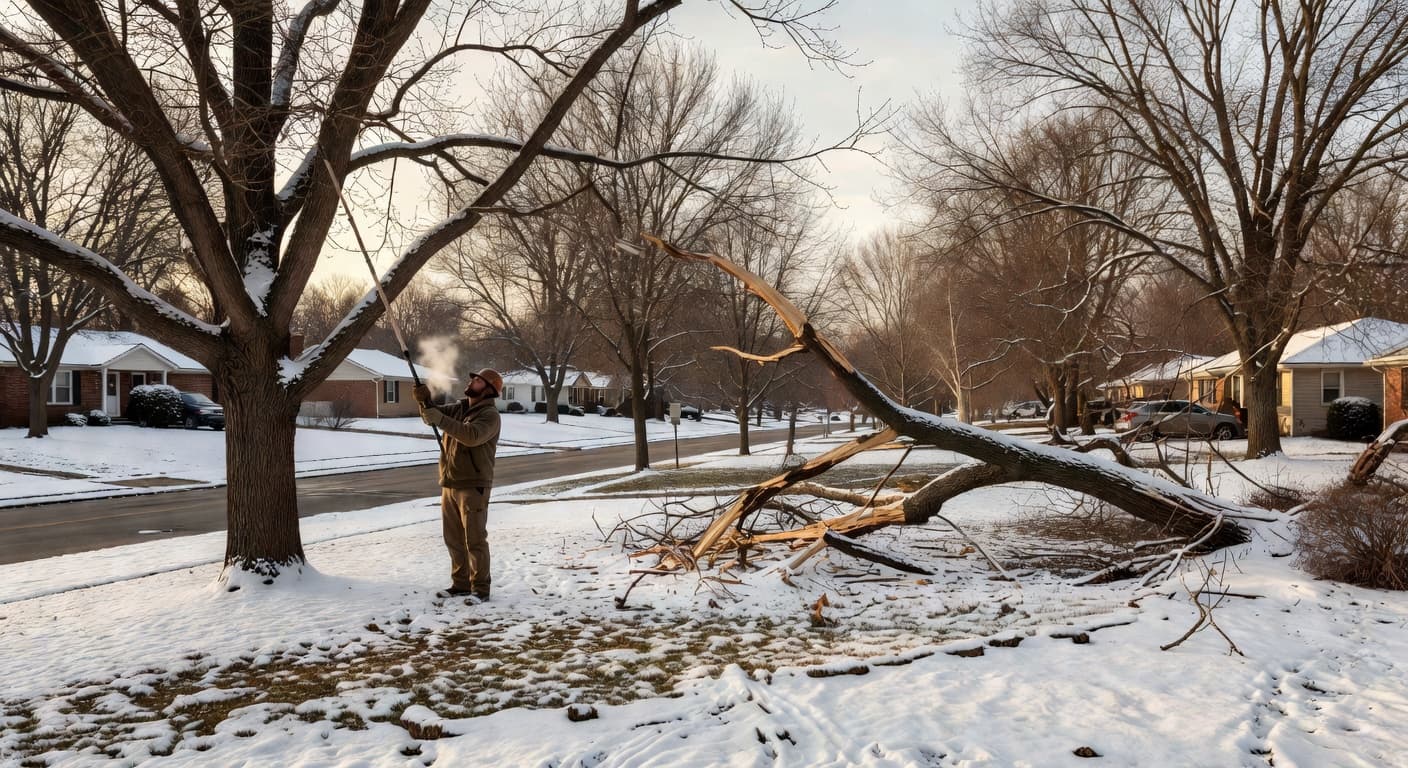
For many Michigan trees, dormant season trimming is often preferred. That usually means late fall through winter, after leaves drop and before spring growth starts.
Dormant trimming can be helpful because:
- the tree is under less active growth stress
- branch structure is easier to see
- some insects and diseases are less active
- there is less leaf weight in the canopy
- cleanup can be simpler
This does not mean every tree must wait until winter. It means winter is often the safest planning window for routine structural work.
When Summer Trimming Makes Sense
Summer trimming can be appropriate when the goal is limited and specific.
Examples include:
- removing small dead limbs
- improving clearance
- correcting minor storm damage
- reducing light rubbing
- removing hazardous branches
- identifying deadwood after leaf-out
The key is restraint. Heavy summer pruning can stress a tree, especially during heat or drought.
If the tree is already struggling, trimming should be conservative and purposeful.
When Not to Trim Without a Good Reason
Avoid unnecessary heavy trimming during stressful periods.
Be cautious during:
- extreme heat
- drought
- active pest or disease pressure
- right after transplanting
- periods when the tree is already declining
- times when species-specific disease risk is high
Some trees have special timing concerns. Oak pruning, for example, should be handled carefully in areas where oak wilt risk is a concern. If you are unsure, ask before cutting.
When Immediate Trimming Is Necessary
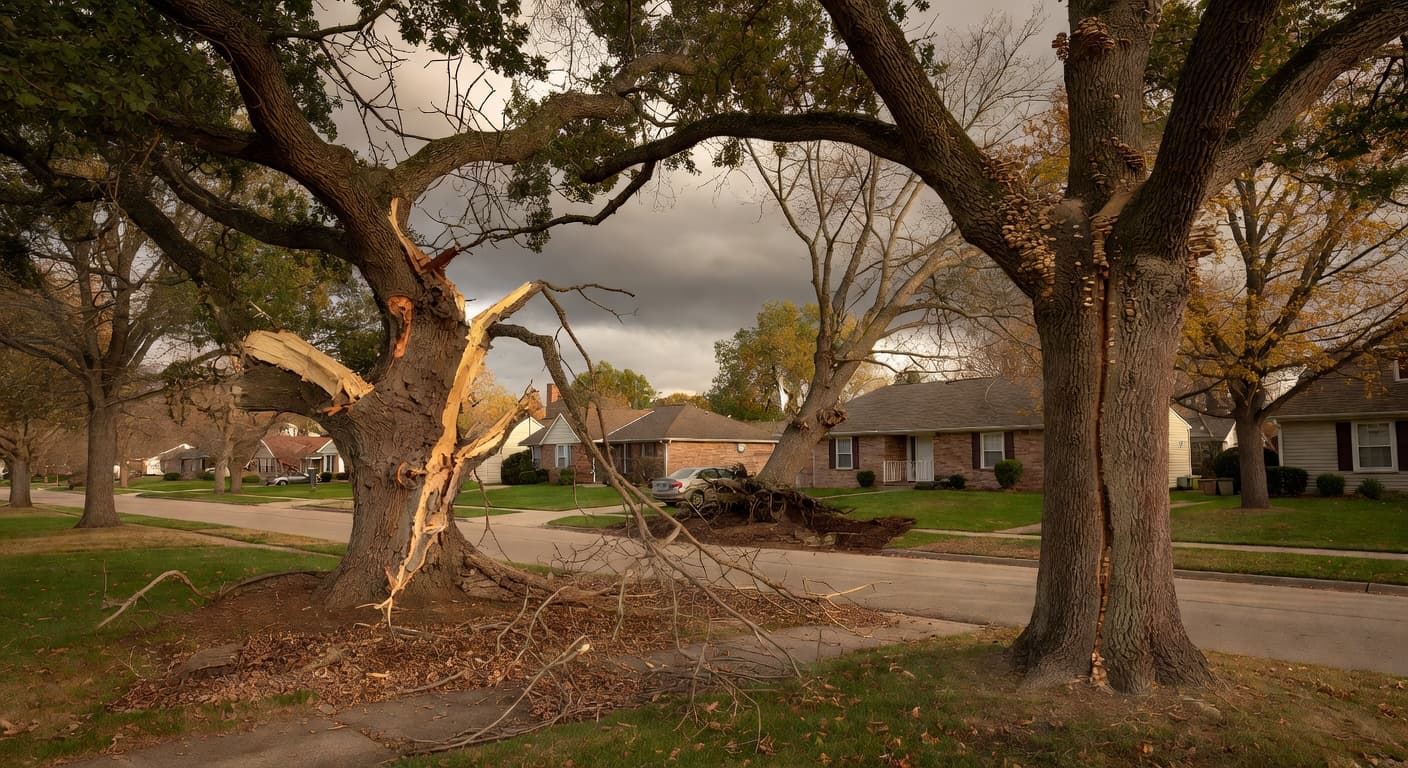
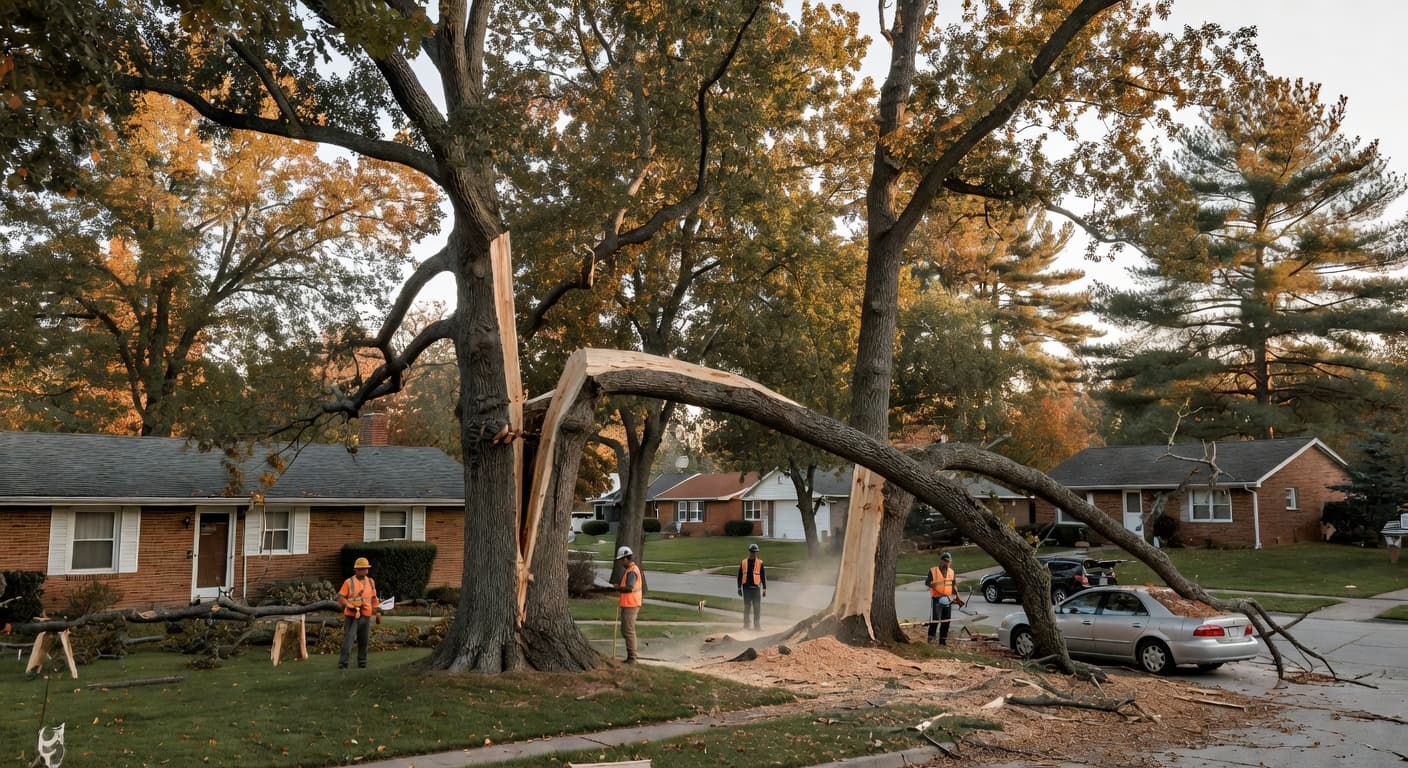
Safety comes first. The calendar matters less when a branch is actively dangerous.
Call for help soon if:
- a limb is hanging over a driveway
- a branch is cracked and suspended
- a limb is resting on a roof
- storm damage left the canopy unstable
- branches block access
- limbs are interfering with structures
- a broken limb could fall on people or vehicles
In these cases, the risk of waiting may be higher than the stress of trimming.
For storm-related guidance, see our article on what to do when a tree falls.
What Good Tree Trimming Should Accomplish
Tree trimming should have a reason. Common goals include:
- removing deadwood
- reducing risk near structures
- improving clearance
- correcting storm damage
- improving branch structure
- reducing rubbing limbs
- protecting roofs, siding, and vehicles
Bad trimming often focuses only on making the tree smaller. That can lead to weak regrowth and long-term problems.
Professional trimming should preserve the tree's natural structure while reducing the issue that caused the call.
Need Tree Trimming & Pruning?
Learn more about our professional tree trimming & pruning service in Onondaga, Lansing, and Mid-Michigan - or call for a free estimate.
Tree Trimming FAQ
Is winter always the best time to trim trees?
Winter is often a strong choice for routine structural trimming, but it is not the only acceptable time. Species, tree health, storm damage, and the reason for trimming all matter. A hazardous branch should not wait just because winter would be ideal.
Can trimming hurt a tree?
Yes. Removing too much live canopy, making poor cuts, or trimming during stressful conditions can weaken a tree. Good pruning is selective. It solves a problem without stripping the tree of the foliage it needs to recover.
Should branches over a roof be removed?
Not automatically, but they should be evaluated. Some branches only need clearance. Others are dead, cracked, or rubbing against the roof. The goal is to reduce risk without over-pruning.
What is the difference between trimming and topping?
Trimming removes selected limbs for structure, clearance, health, or safety. Topping cuts back major limbs indiscriminately and can create weak regrowth. Avoid topping unless a qualified professional explains why a severe reduction is truly necessary.
Questions to Ask Before Scheduling
Before approving tree trimming, ask:
- What is the goal of this pruning?
- Is this the right season for this tree?
- Are any limbs hazardous enough to handle now?
- How much canopy will be removed?
- Are there disease concerns with this species?
- Will cuts be made correctly at branch unions?
- Is removal safer than trimming?
Those questions help separate thoughtful pruning from random cutting.
How Trimming Supports Storm Prevention
Routine trimming can reduce future storm problems when done correctly. Removing deadwood, improving clearance, and addressing weak branch unions can lower the chance of damage during wind, snow, and ice.
It does not make a tree storm-proof. No tree service can promise that. But it can reduce avoidable risk.
Our spring property checklist includes tree inspection steps that help homeowners spot trimming needs before storm season.
A Simple Michigan Timing Guide
Use this as a starting point:
- Dormant season: often best for routine structural pruning.
- Spring: useful for inspection, but avoid unnecessary heavy cuts during active growth.
- Summer: acceptable for limited clearance, deadwood, and specific problems.
- Fall: use care, especially if the tree is stressed or disease concerns are present.
- Any season: handle broken, hanging, or hazardous limbs when safety is involved.
The right timing should match the tree and the reason for the work.
If you are unsure, take photos of the whole tree, the limb that concerns you, and the nearby roof, driveway, or structure. That context helps an estimator separate routine pruning from a safety issue.
The Bottom Line
Tree trimming is not automatically fine at any time of year. Routine work should be timed around tree health, species, weather, and goals. Hazardous limbs should be handled when they create risk.
If you are unsure whether a tree should be trimmed now or later, Stump Busters can inspect it and recommend a practical plan for Lansing and Mid-Michigan conditions.
Call (517) 202-3840 or request a free estimate for tree trimming guidance.